













The planet doesn’t need a grand gesture. It needs a thousand small habits that take very little effort to fold into your regular routine. That can be the classic reuse–reduce–recycle you learned in middle school—but if you’re here, it’s probably because you carry a few extra skills in your back pocket. And skills come with a little more weight.
There’s a different kind of responsibility that shows up when you’re capable of making, fixing, or figuring things out. The bar gets a little higher. Excuses get thinner. If you can do more, it’s worth trying.
This isn’t a survival guide or a purity test. It’s a pocket-sized rebellion. Ten everyday choices meant to inspire—not to ask you to become someone else. They just ask you to notice what’s already in your hands.
1. Start with Materials, Not Moods
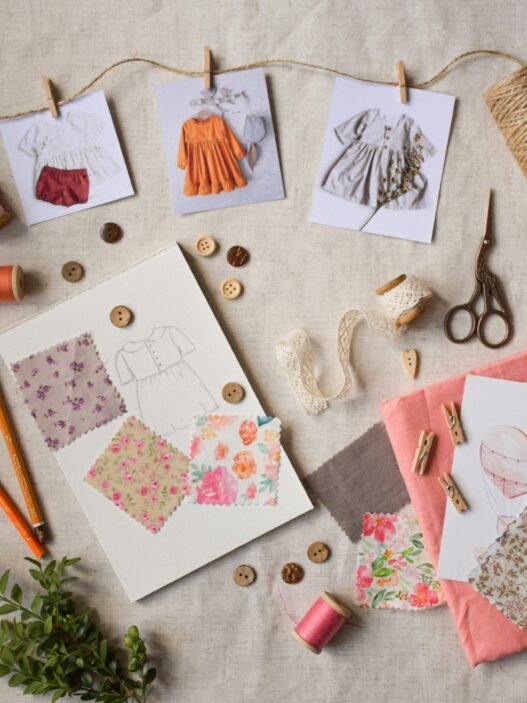
You’re not sitting down with a new pattern here. You’re not heading to the fabric store for a few yards you’ll never finish or BOGO skeins of yarn that will sit in a bin until the next decade. We’re not here to build a stash. We’re here to work with what’s already in your hands.
Start by taking a real look at what you own. There’s often more skill—and more imagination—in altering a garment than in making something from scratch. Treat it like a creative constraint instead of a limitation. Find the potential of the piece.
Begin with the repairables. Fixing your clothes has always been a form of self-expression. In the ’60s, a bright flower patch could solve almost anything. In the ’90s, it was band logos, safety pins. The impulse was the same: leave a visible mark.
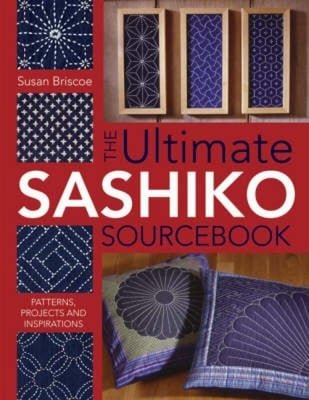
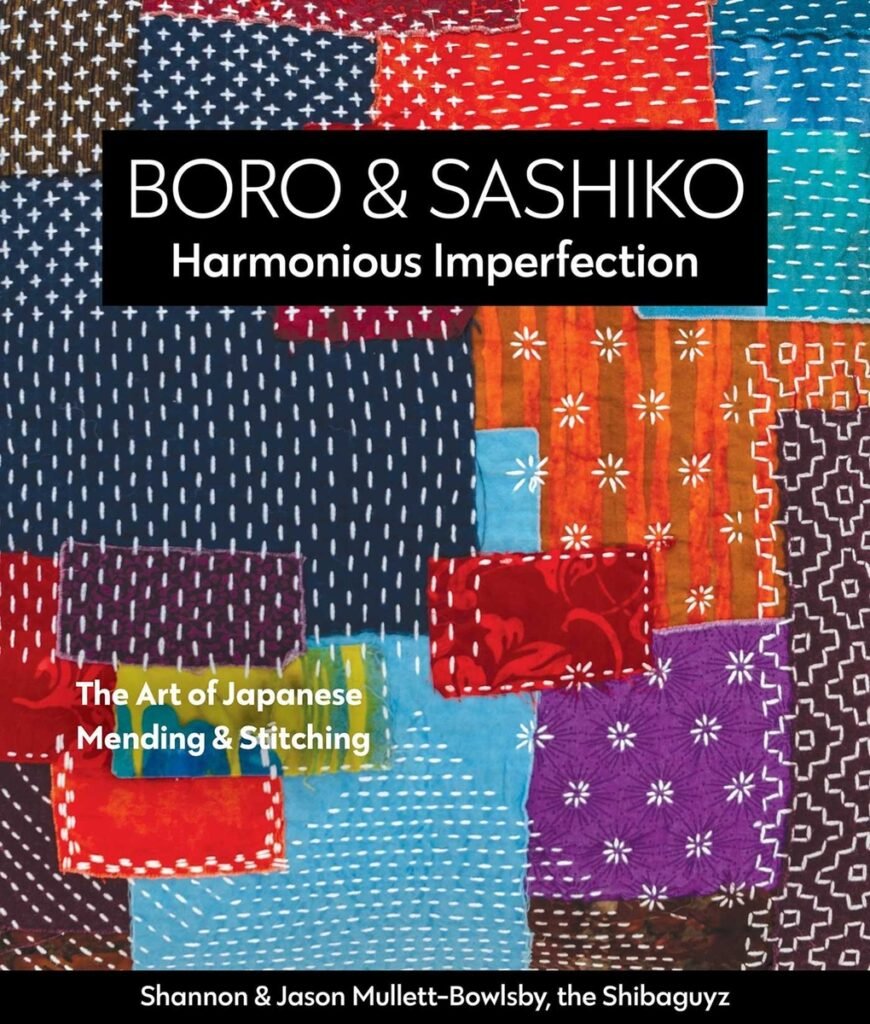
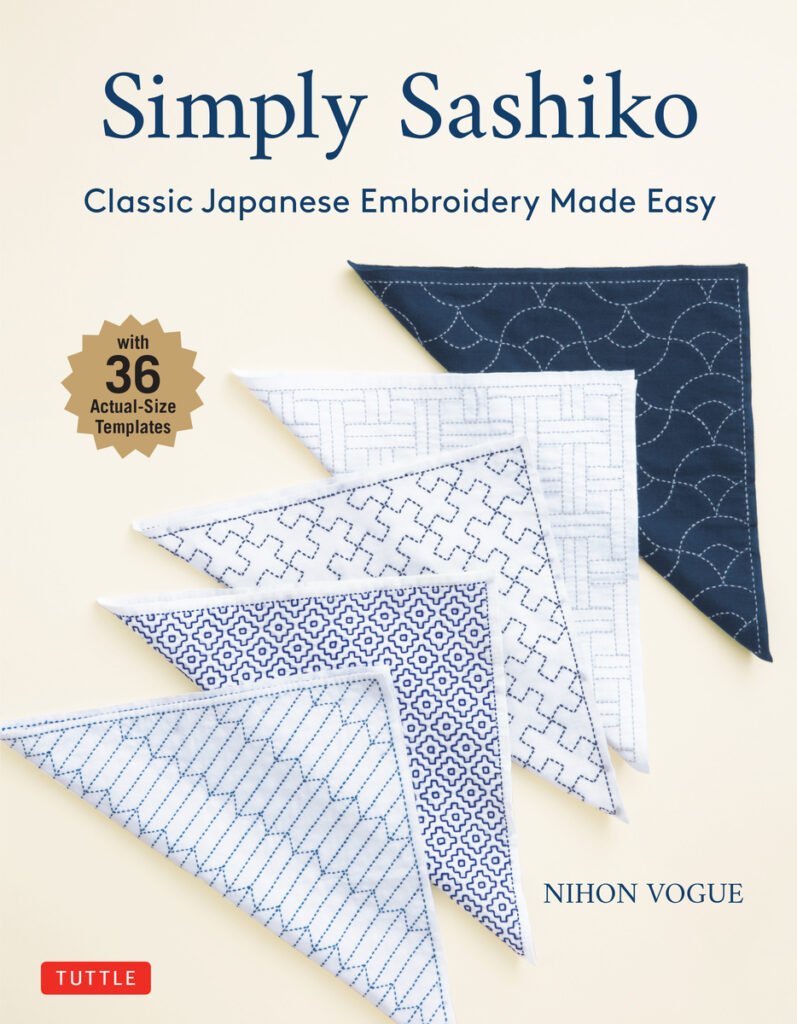
Now the conversation has widened. Techniques like sashiko and small-frame weaving turn holes and splits into stitched motifs instead of quick fixes. You’re not just repairing a garment—you’re giving it a second identity, a different energy, and a new story to carry.
If you do step outside your closet and start from scratch, do it with intention. Before you sketch a silhouette or imagine a fit, think about the fibre that will live against your skin. Cotton, wool, linen, denim, deadstock knits—each one moves differently through time, wear, and wash. Choosing materials that age well and welcome repetition turns a piece into something you reach for often, not something you “save” and forget.
2. Make Things That Love Being Layered
When you’re designing or buying new clothes, choose pieces that love company. Vests, cardigans, and scarves are small projects with big reach—fun to make, easy to wear, and capable of sending your wardrobe into a dozen new directions. They let you highlight what you love, soften what you don’t, and shift the mood of an outfit without starting over.
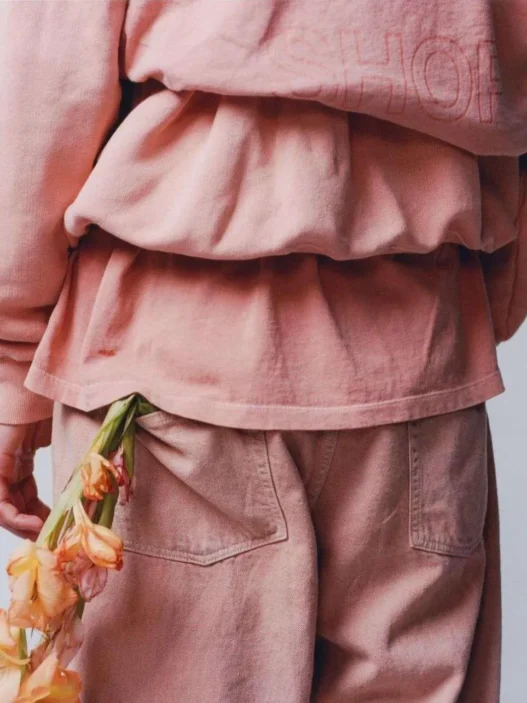
A comfortable, loose shirt—sleeves or not—does quiet, heroic work. It can float over a tank, slip under a sweater, get belted, half-tucked, or layered in ways that make the same base outfit feel brand new.
Here’s the trick: pieces that layer well get worn more. They move through more combinations, show up in more places, and stay in circulation. The right moment to wear layers like these tend to appear several times a week when your clothes know how to work together.
With a little imagination, a small capsule wardrobe can carry you across seasons on a handful of base pieces you dress up or down as life demands. Fewer items. More lives.
3. Build for the In-Between Weather
Depending on where you live, most of the year happens in the in between. Hot, but not sweltering. Cold, but not freezing. Weather that changes at a moment’s notice. That’s the season that sends you to the closet asking, “What the heck am I supposed to wear?”
This is where layers earn their keep—and where practical accessories stop being boring and start being smart. Base layers are for comfort. Outer layers are for possibility. The best ones can be shed and picked back up without drama.
Most clothes live their real lives on ordinary days, not extreme ones. Think light jackets, mid-weight knits, adjustable hems, sleeves that roll and unroll without losing their shape. These are the pieces that become favourites and the ones you reach for without thinking.
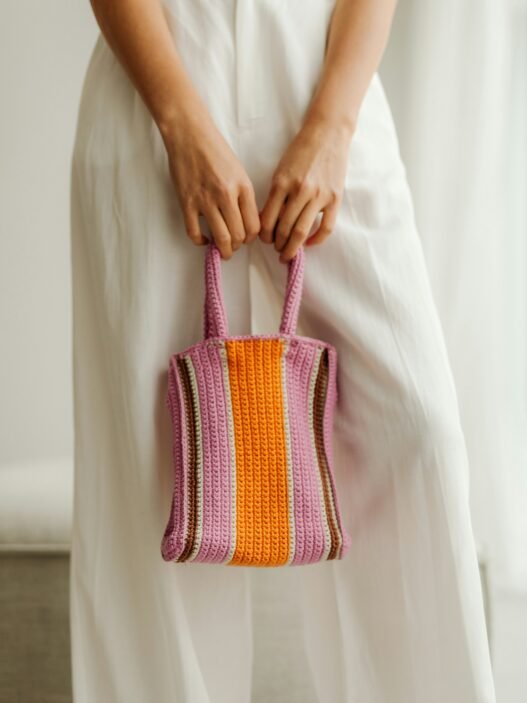
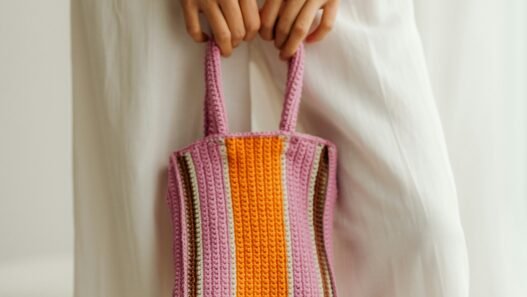
I love, love, love making bags and totes. There are infinite shapes, styles, and utilitarian options. I make them to match my favourite outfits, while always being mindful of the fact that they need to carry all my shit.
Carryall accessories quietly rule the in-between. A good over-the-shoulder bag lets you peel off a layer, stash it, and keep moving. You stay put together, hands free, and ready for whatever the weather decides to do next without looking like you just got off a plane. .
4. Let Fit Be a Conversation, Not a Rule
When you’re buying or making clothes, leave room for bodies to move, shift, and change. This part comes with a little acceptance. Skip the jeans you’ll wear “once the weight comes off.” Skip the maxi skirt you’ll “definitely hem someday” unless you actually have a plan and a date on the calendar.
Make and buy clothes for the body you live in now. Design for the present tense.
Drawstrings, ties, wrap shapes, generous seams, and forgiving cuts keep a piece in rotation instead of turning it into something that’s “almost right” and slowly disappears to the back of the closet. The goal isn’t a perfect fit once. It’s a good fit, over and over again.
5. Treat Colour Like a Reusable Language
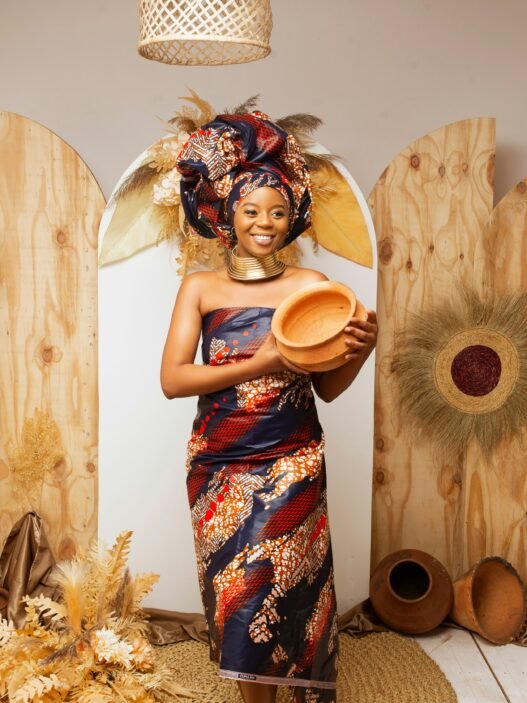
Colour is one of the real freedoms of making your own clothes. Instead of hunting for the right shade in a rack of maybes, you can walk into a supply store and leave with whatever combination already exists in your head.
Start by finding your working palette. Your favourite colour isn’t always the one you actually like to wear. Go to your closet and pull out your five most-worn pieces. Odds are, they live in the same colour family. That’s your anchor.
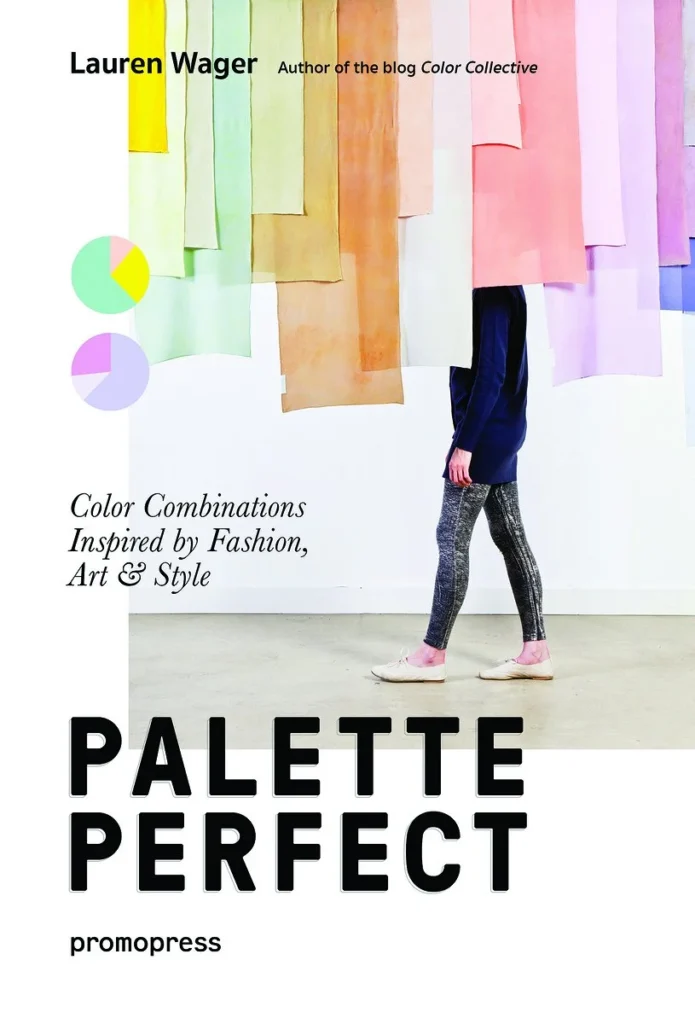
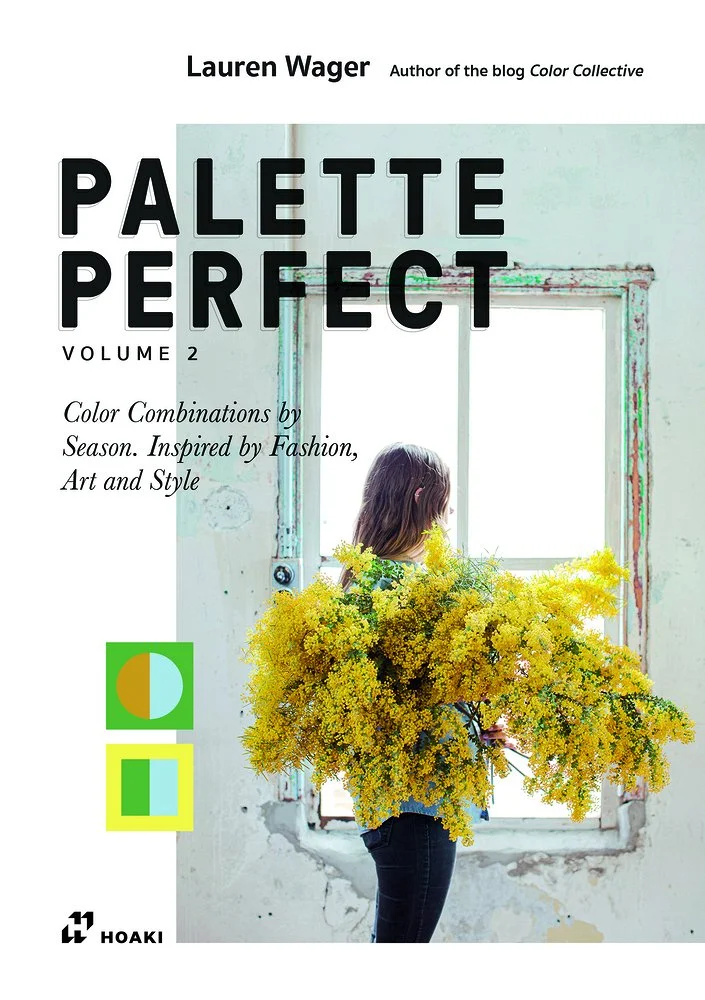
From there, build outward. Add, subtract, and combine so it doesn’t feel like a single-colour uniform. Think of your wardrobe as a small, repeating world of tones and shades. When colours talk to each other, outfits multiply without adding more garments. A limited palette makes mixing easier and keeps handmade pieces in rotation instead of being one-off statements.
6. Repair, Not Replacement
Whether you’re making something new or buying it off the rack, materials matter. Don’t skimp. If you’re going to spend your time, money, and effort, choose something that can carry that investment for a long while—and come back from the edge once it’s been worn through a few lives.
When you’re building from scratch, think ahead. Where will the fabric thin? Where will the seams take the most strain? Reinforce those places. Mend with visible stitching. Leave room for future patches and panels. You’re not just making a garment—you’re designing its second and third chapters.
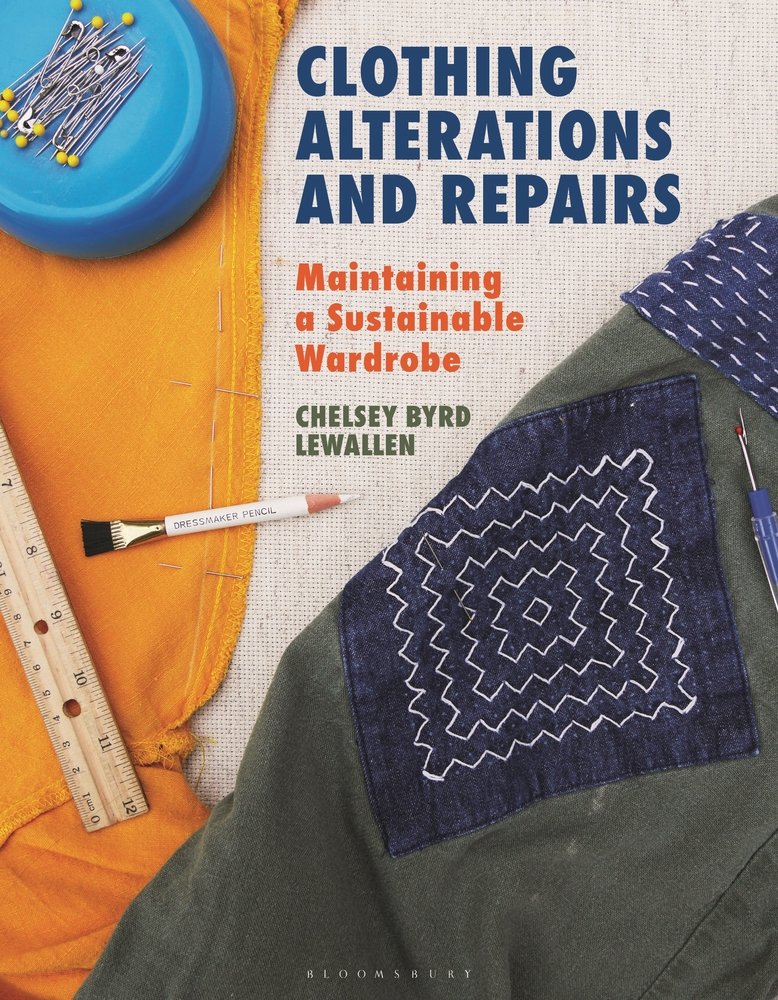
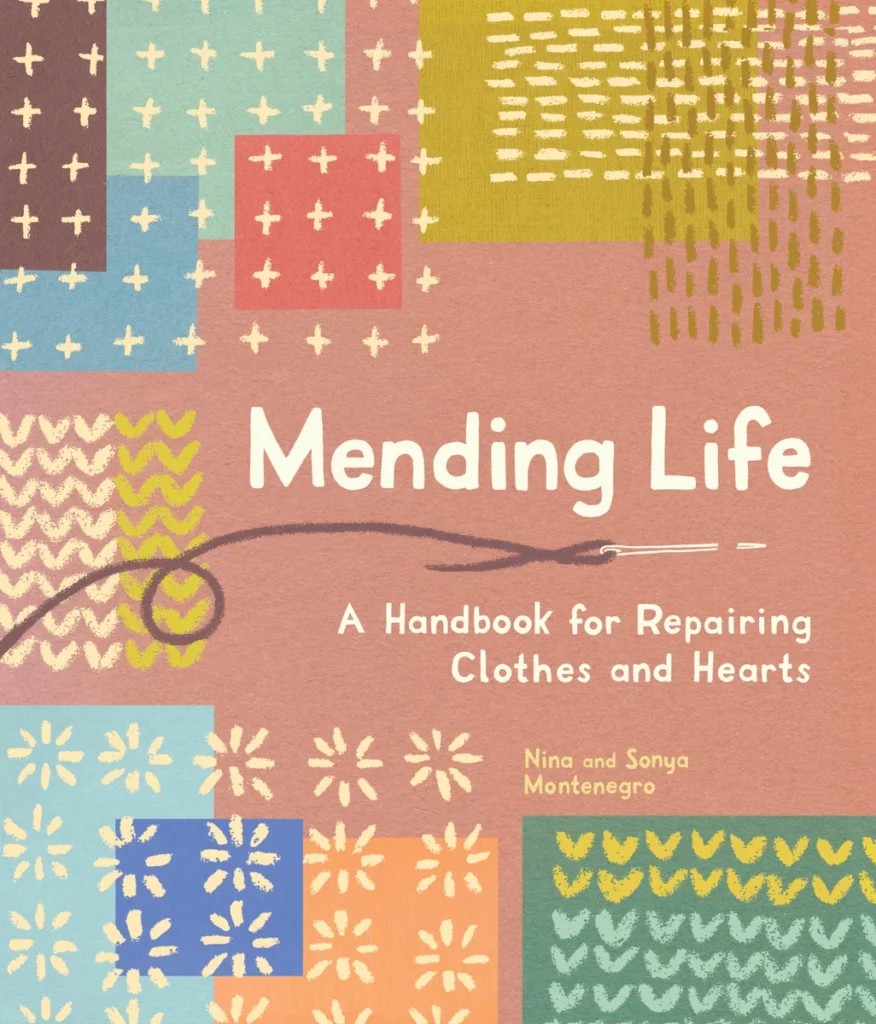
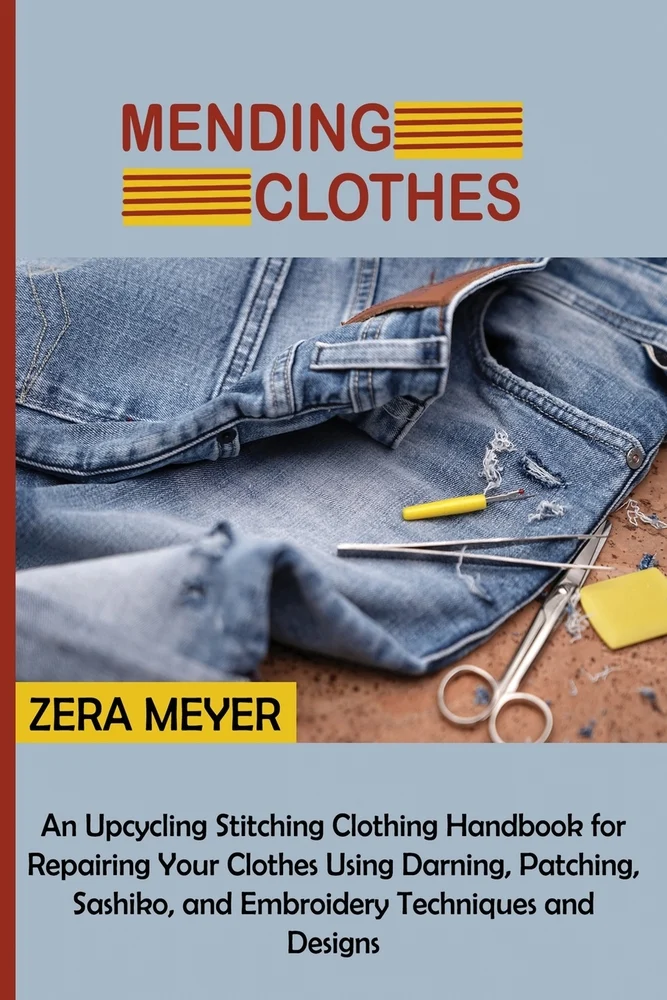
When you’re buying, look for the same clues. Check the seams, the stress points, the weight of the fabric, the way it’s finished. Ask whether it’s built to be lived in or just looked at.
Let mending become part of the design instead of a secret fix. That’s how a piece stays wearable long after its first “perfect” phase has passed.
7. Make Multipurpose Pieces on Purpose
This is where you get to test the edges of your imagination. Think in terms of roles, not just outfits. Reversible pieces are an obvious win, but look further—jackets that work both indoors and out, dresses that shift with a belt, a layer, or nothing at all.
When a single garment can move through different situations, it earns more time on your body and less time folded away. That’s how a piece becomes a staple instead of a special occasion.
8. Let Your Past Projects Teach Your Future Ones
I always encourage people to push themselves. Creative challenges are how you pick up new skills and widen your range. But everyone has a lane they naturally move in—and most of us have a quiet preference when it comes to what we actually wear.
Pay attention to which handmade pieces you reach for and which ones stay on the hanger. Let the way your clothes fade, stretch, and age tell you what to make next. Your own wardrobe becomes a living fitting room, a slow-motion design studio.
That doesn’t mean you stop experimenting. Always try new things. Just let your everyday habits show you where to begin.
9. Build a Rhythm of Making, Not a Big Drop
Instead of overhauling your closet, add pieces slowly. One new garment that fills a real gap usually settles in better than a rush of “newness” that all competes for the same moment. That’s how clothes end up unworn, drifting to the back of your closet.
Pieces made or bought with intention tend to stick around.
I keep a simple rule: for every new item that comes in, one goes out. It keeps the wardrobe feeling edited instead of crowded—more like a collection and less like a flea market stall.
10. Treat Care as Part of the Craft
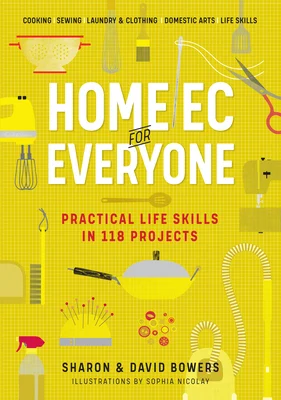
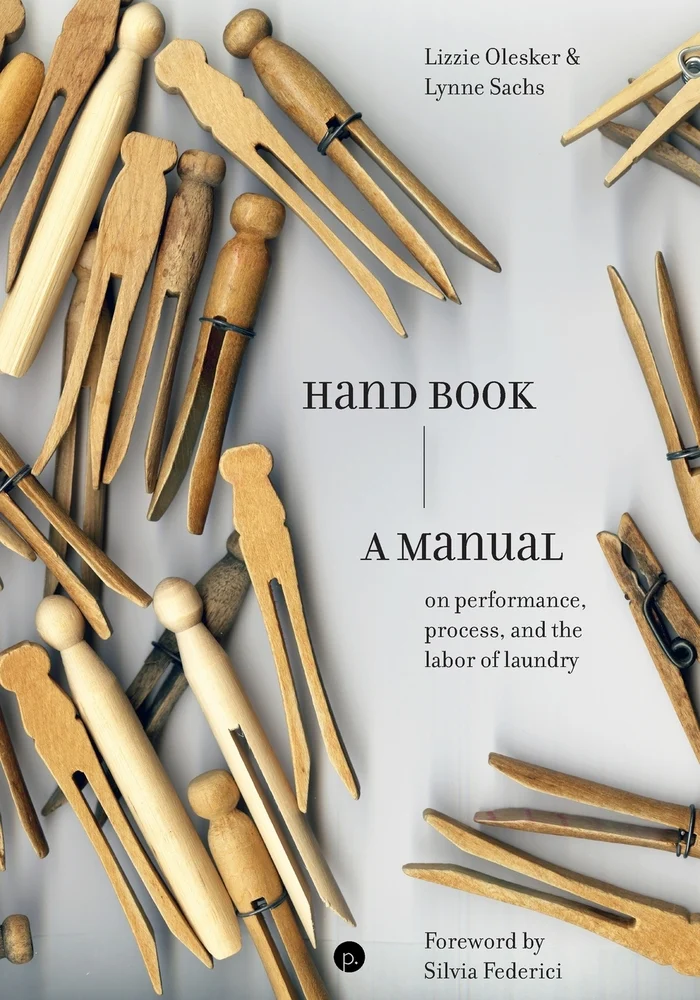
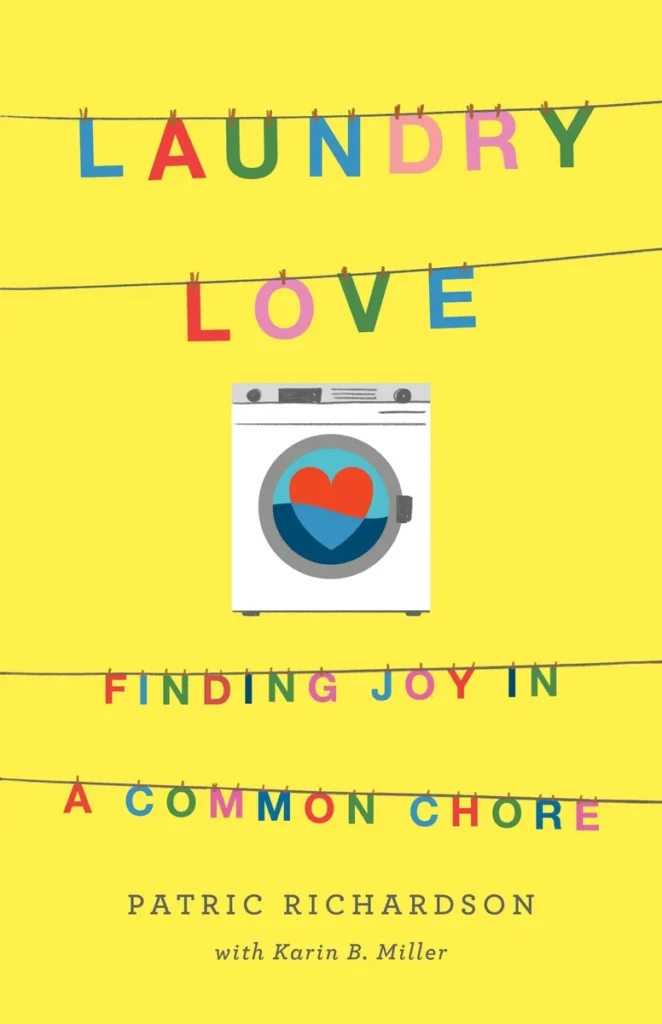
How you wash, dry, and store a garment shapes how long it stays in your life. Air-drying for a softer drape, folding knits instead of hanging them, giving heavier pieces the right kind of support—small habits, big difference. These quiet choices keep clothes looking good and showing up in your daily rotation.
Patrick Richardson—better known as “the Laundry Guy”—treats washing as a kind of meditative practice. His books are full of fabric-specific care tips and low-stress ways to handle just about any stain, without turning laundry day into a minor crisis.
11. Let the Wardrobe Become a Personal Archive
If you take a look in your closet, you’ll notice that your clothes start to mark moments. Like the jacket that you wore to a job interview, the sweater it took you an entire season to make, the dress that you wore to that awesome show. These pieces carry an invisible history, which makes them harder to discard and easier to love.
Some of your clothes will carry bad, or at least not-so-great memories. Even if you kind of love those pieces, maybe it’s time to let go of the memory by letting go of the garment. Who doesn’t love a closet of 100% good vibes.
12. Keep the Thread Going
A wardrobe isn’t something you finish—it’s something you keep editing. Hem a skirt. Replace a button. Add a patch. Let clothes evolve instead of being replaced, and your style becomes a long conversation rather than a series of short-term statements.
These aren’t commandments.
These aren’t rules or resolutions. They’re experiments, and if you keep engaging your curiosity, you won’t just reduce impact—you’ll change the shape of your own life, one ordinary choice at a time.
Give yourself the chance to use what you already know how to do and what you already have in your stash. The same skills that help you make, fix, and figure things out can shift how you see everything in your closet.
You don’t have to alter your personality to make small changes. You just have to keep noticing what’s in your hands, what’s within reach, and what you choose to do with it. Stack enough of those ordinary choices together, and the change doesn’t arrive as a grand gesture—it settles in as a new way of living.
→ Subscribe to The Edit for new posts, projects, and behind-the-scenes notes
→ Get new She Zine pieces, projects, and field notes on our Patreon
About BookShop.org: Bookshop.org works to connect readers with independent booksellers all over the world.
They believe local bookstores are essential community hubs that foster culture, curiosity, and a love of reading, and we’re committed to helping them thrive.
Every purchase on the site financially supports independent bookstores. Their platform gives independent bookstores tools to compete online and financial support to help them maintain their presence in local communities.

AXO (she/her) is a multidisciplinary creator, editor, and builder of feminist media ecosystems based in Toronto. She is the founder of She Zine Mag, Side Project Distro, BBLGM Club, and several other projects under the AXO&Co umbrella — each rooted in DIY culture, creative rebellion, and community care. Her work explores the intersection of craft, technology, and consciousness, with an emphasis on handmade ethics, neurodivergent creativity, and the politics of making. She is an advocate for accessible creativity and the power of small-scale cultural production to spark social change. Her practice merges punk, print, and digital media while refusing to separate the emotional from the practical. Above all, her work invites others to build creative lives that are thoughtful, defiant, and deeply handmade.