











Size Isn’t the Point
Whether you’re intentionally organizing a small, intimate event—or you planned for a big turnout and reality had other ideas—it’s worth remembering that headcount is rarely the thing that determines success. Small events aren’t a failure state. In many cases, they’re where the most meaningful connections, conversations, and moments actually happen.
What matters far more is big event energy. That feeling that something intentional is taking place. A sense of momentum, care, and presence that doesn’t depend on how many bodies are in the room. Whether intimacy was the goal from the start or simply the result, energy is what people remember long after the night ends.
Being prepared for multiple outcomes turns a low headcount from a limitation into a happy accident. When you design with flexibility and intention, scale stops being a problem and starts becoming a tool.
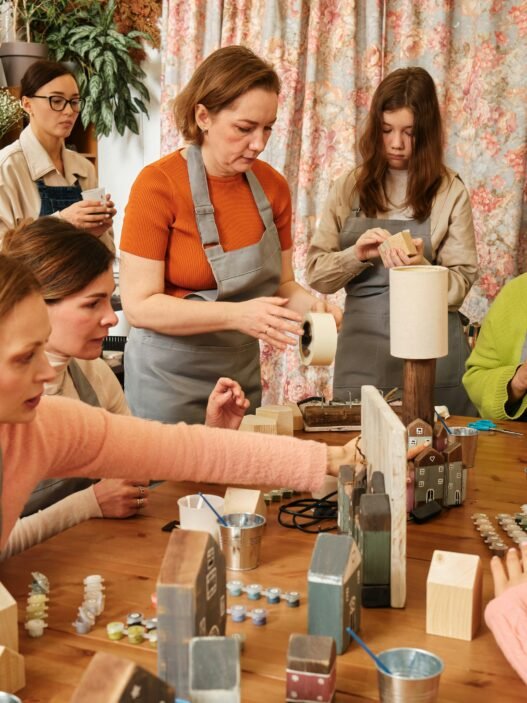
She Zine hosts an event series called Cordially Yours Craft Sale & Rock Show, which is—honestly—exactly what it sounds like. We host the events in music venues, setting up space for five to ten vendors alongside live music and on-theme creative activities. Over the years, we’ve layered in live painting, skill sharing, and material swaps to keep the room feeling active and participatory, even during quieter moments. The goal is always the same: make sure there’s something happening, something to engage with, something to stumble into.
Each event is tied to a cause, not as an afterthought, but as a way of grounding the gathering in shared values and collective care. That sense of purpose changes how people show up—and how they remember the experience. We’ve partnered with organizations including the Women’s Health Clinic (Manitoba), Red Door Shelter (Toronto), and D’arys Ark (Manitoba), and have collectively donated more than $25,000 since our inaugural event.
Cordially Yours has taken place in Winnipeg, Manitoba and across Ontario, often in modest-sized venues with intentionally limited capacity. Despite that—or maybe because of it—the series has attracted attention well beyond the room itself. The takeaway isn’t that small events can “compete” with large ones. It’s that when an event is thoughtfully designed, scale becomes secondary to impact.
Start With an Idea That Can Hold Weight
It’s tempting to start planning an event by obsessing over logistics: the venue, the schedule, the equipment, the contingency plans. Those things matter, but they’re not what gives an event weight. Concept comes first because it’s the thing that holds everything else together. A clear idea can survive technical hiccups, low turnout, or last-minute changes. A vague idea can’t be saved by perfect planning.
Before you decide how something will run, decide what it is. What’s the point of gathering people in a room at this moment? A strong concept gives you something to return to when decisions get muddy and expectations start to wobble.
The most useful question to ask early on is simple: how do you want people to feel when they leave? Energized. Seen. Fired up. Calm. Connected. Challenged. That emotional outcome becomes your north star. It shapes the music, the lighting, the pacing, even the way you welcome people at the door. If you can articulate the feeling, you can design toward it.
From there, choose one bold anchor instead of spreading yourself thin. One strong idea—an installation, a theme, a ritual, a central activity—will do more work than a dozen half-formed touches. Big events often feel scattered; small events feel powerful when they’re focused. Give people something to latch onto, something they can describe later without needing a paragraph of explanation.
Good concepts don’t exist in a vacuum. Pull from culture, community, or the current moment. What are people already talking about, worried about, nostalgic for, or excited by? Referencing something larger than the room immediately gives your event context and relevance. It makes it feel plugged into the world instead of floating off on its own.
Finally, think about mixing formats to create layers in a single space. A talk plus a hands-on element. A workshop followed by a social hang. A performance paired with a pop-up. Layering experiences makes a small event feel expansive, like multiple things are happening at once, even if they’re all unfolding in the same room.
When the concept is strong, everything else becomes easier. Logistics support the idea instead of trying to compensate for its absence. That’s how small events stop feeling small and start feeling intentional.
Design the Room to Do the Work
A small event doesn’t need to be over-decorated, but it does need to be intentional. The room itself should be doing some of the heavy lifting. Thoughtful visual choices create immediate impact and signal that care has been taken—often before anyone says a word.
Using visuals strategically helps people understand what’s happening without explanation. A strong focal point gives the room a centre of gravity. It tells guests where to look, where to gather, and where the event is happening, even if the footprint is modest. You don’t need to reinvent the wheel here, either. Sometimes it’s as simple as setting up a projector and looping visuals that complement the room and the activities already taking place.
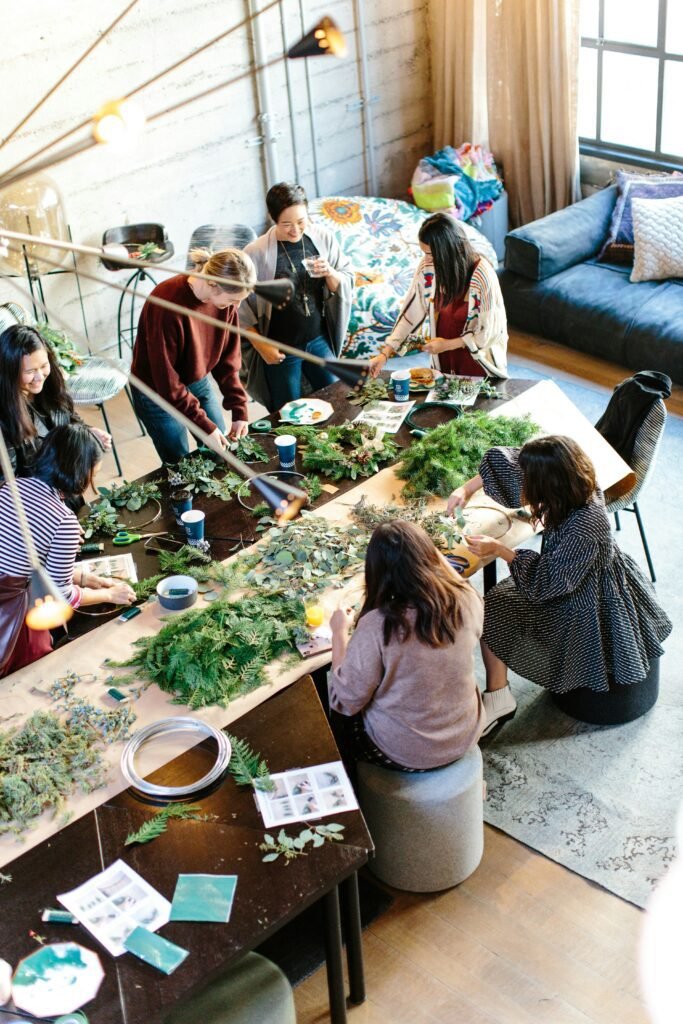
Tight framing matters, both in real life and in documentation. In the room, this means arranging furniture, décor, and people so attention is pulled inward rather than outward. Avoid wide-open layouts that emphasize empty space. In photos and video, the same principle applies: close-ups of faces, hands, signage, and details convey density and energy far more effectively than wide shots that reveal the full room.
Backdrops, signage, and focal points act as scale signals. A banner, mural, projection, or even a well-designed sign gives the impression of infrastructure. These elements suggest planning, purpose, and continuity—like this event belongs to something larger, not like it materialized by accident.
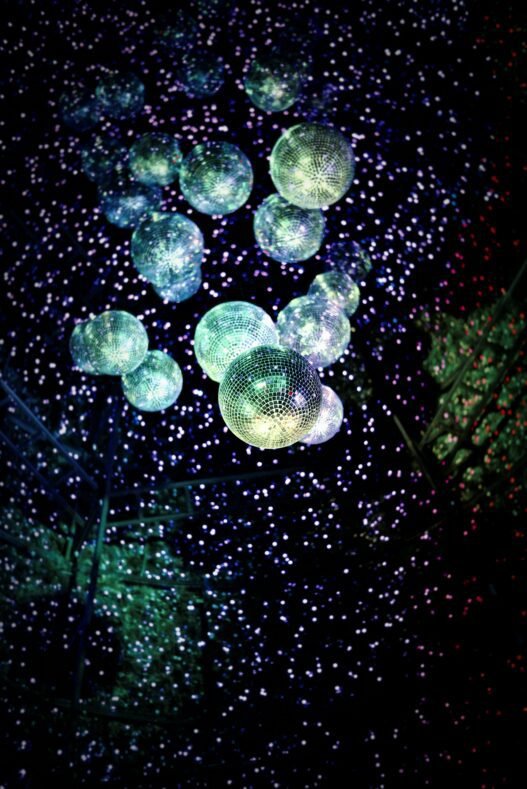
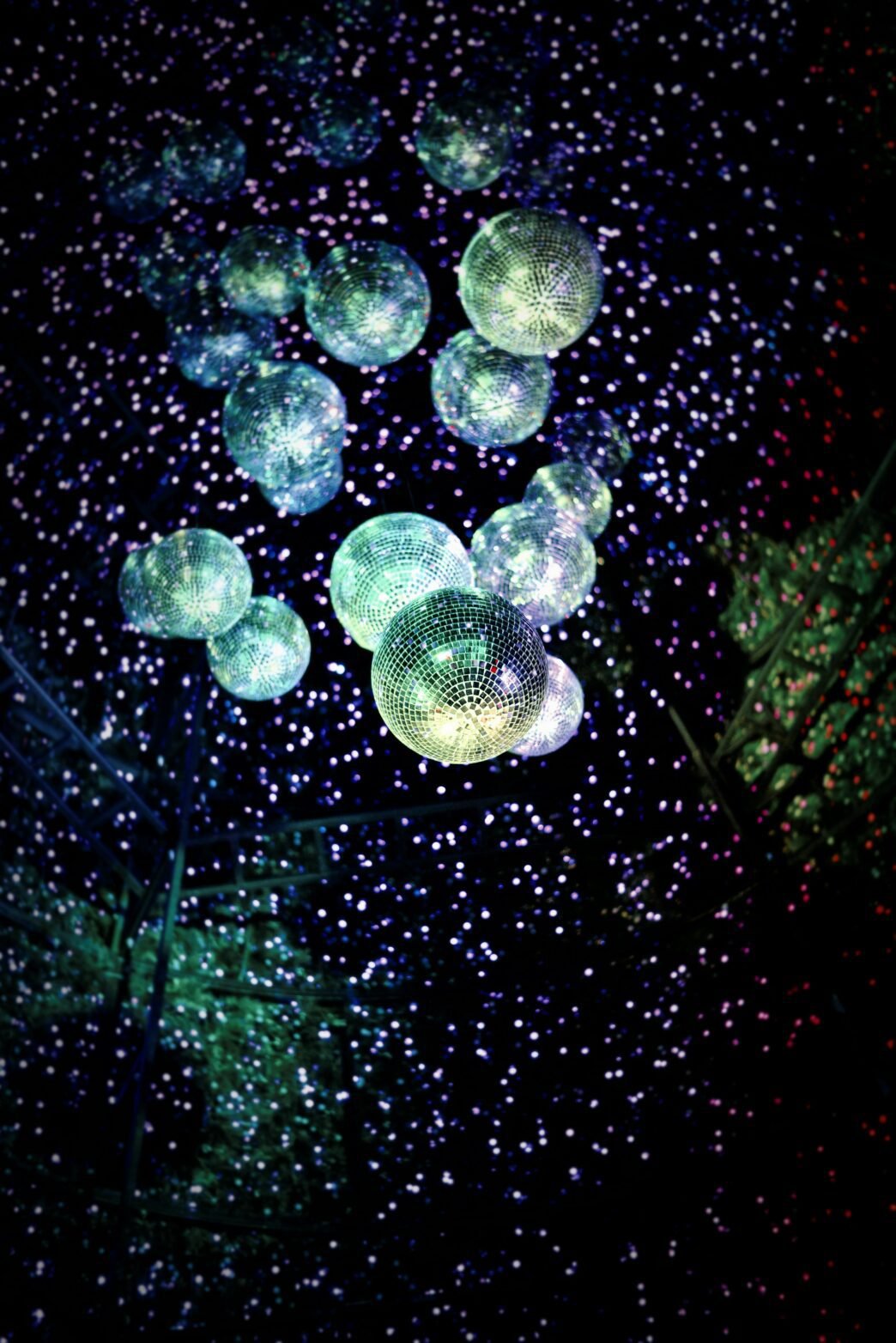
Lighting does double duty. It sets mood, but it also conceals what doesn’t need to be seen. Dimmer lighting, coloured bulbs, string lights, or spotlights soften edges, draw attention to the action, and minimize visual gaps. Good lighting doesn’t just make things look nicer—it makes them feel fuller.
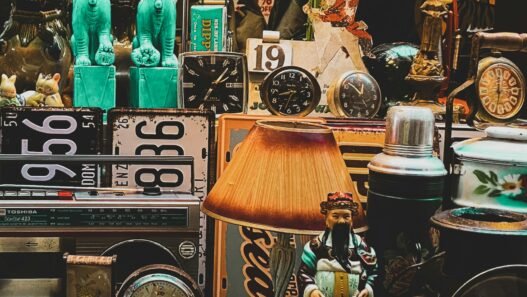
Cordially Yours events are always heavily decorated. They often look like a birthday party exploded—balloons, streamers, and assorted accoutrement everywhere. One event blended big time granny energy with a roster of punk rock bands. Every table was layered with silk flowers, doilies, and tablecloths. It was chaotic in the best way.
If you’re figuring out décor on a budget, the dollar store is genuinely your best friend. Cheap materials, repeated boldly and intentionally, will always read louder than sparse, expensive details used timidly.
When decorating, start at the centre of the room and work outward. Define a perimeter that keeps the eye focused on the busiest part of the venue. If the crowd grows, it’s far easier to expand outward than it is to shrink a space that already feels too big. This approach not only improves the in-room experience, it also translates better in photos and video after the fact—making your event look fuller, more deliberate, and more alive.
Control Flow to Control Energy
Energy is rarely about numbers. It’s about proximity, movement, and rhythm. Smaller, fuller spaces almost always win over larger rooms with the same number of people spread thin. A packed corner has more buzz than an empty hall every time.
Clustering people together creates warmth and momentum. Arrange seating, tables, and standing areas so guests naturally gather instead of drifting apart. Avoid bottlenecks that stall movement, but don’t overcorrect by spreading people too wide. People take cues from one another—when they see others engaged, they engage too. Energy is contagious when it’s visible.
Timing matters more than most people expect. Thoughtful arrivals and intentional programming prevent dead air, which is where small events start to feel awkward or unfinished. Staggered entry, opening activities, or overlapping segments help the room feel active from the moment people arrive, even if attendance builds slowly.
Our events are always timed down to the second. In practice, no schedule survives the night exactly as planned—but having a clear run-of-show written down gives you something to anchor to when things inevitably shift. A loose plan is better than no plan, and it helps you keep momentum when distractions creep in.
Movement should be designed, not left to chance. Even subtle shifts—asking people to relocate for a different segment, encouraging mingling, or redirecting attention—keep the event from feeling static. An event that moves feels alive, even if it never leaves the room.
Promotion as World-Building
Promotion isn’t just about attendance—it’s about perception. How you talk about your event shapes how people experience it, whether they’re in the room or watching from afar.
Announce with confidence, not apology. Avoid language that downplays scale or hedges expectations. You don’t need to explain why it’s small. Frame the event as intentional, curated, and specific.
Intimacy can be framed as scarcity and demand. Limited seats, one-night-only language, or “by design” messaging positions smallness as a feature, not a flaw, whether intentionally small or not.
Words matter. Use language that suggests importance and urgency. Not hype for hype’s sake, but clarity about why this moment matters now.
Choose platforms based on behaviour, not trends. Go where your people already show up and pay attention. A smaller, engaged audience beats wide but passive reach every time. Let word-of-mouth fill in the gaps.
Behind-the-scenes content seeds anticipation. Showing prep work, partial reveals, playlists, signage, or setup turns the lead-up into part of the experience. By the time the event happens, it already feels underway.
Community Signals That Multiply Reach
Some things make events feel bigger simply because they signal community and continuity. Merch, signage, and photo ops aren’t fluff—they’re cues. They tell people this isn’t just a one-off gathering, but part of something ongoing.
Physical items like buttons, stickers, or simple swag imply an ecosystem. At Cordially events, we offer raffle tickets to win swag bags filled with handmade items from the vendors at that specific event. Those objects don’t exist for one night only. They travel home with people, show up in photos later, and continue to circulate long after the event ends. That kind of reach extends your impact well beyond the room.
Moments people want to photograph or share do the same work. A backdrop, visual installation, or shared ritual creates content organically, without forcing it. When something looks intentional—or feels participatory—people document it without being asked.
Partnerships add credibility and amplification. Collaborators bring their own audiences, yes, but they also signal that the event is connected, supported, and worth paying attention to. Association carries weight, especially in smaller scenes.
When attendees and participants feel included, they become promoters. People talk differently about events they feel part of. The language shifts from “I went to this thing” to “we did this.” That distinction matters.
If you’re working with vendors, educators, or speakers, consider building a minimum number of social posts into their event agreement. This is something I’ve learned the hard way. It shouldn’t be a big ask for participants to engage in some level of self-promotion, especially when they benefit directly from attendance. When everyone shares the load, the event gains visibility, legitimacy, and momentum—and everyone wins.
Day-Of Execution: Where It Becomes Real
All the planning in the world only matters if the day itself delivers. This is where intention turns into experience—where your ideas either land in the room or stay theoretical.
Setting the tone starts well before the first guest arrives. Lighting, sound, visuals, and layout should be ready early—the day before if possible—so the space feels settled rather than scrambled. A room that looks calm and intentional immediately puts people at ease.

Energy needs to be managed in real time. Watch the room. If something lags, adjust pacing, shift the music, or move the program forward. Responsiveness reads as confidence. Guests don’t expect perfection, but they do notice when someone is paying attention.
Have a structured schedule of activities prepared in advance. You don’t need to follow it rigidly, but having everything written down gives you options. It allows you to skip segments that aren’t landing, extend ones that are working, and make decisions quickly without second-guessing yourself in the moment.
Hosts or MCs add structure and legitimacy. Even the most informal events benefit from someone guiding transitions, setting expectations, and holding the container. A clear voice in the room helps everyone relax into the experience.
Micro-moments matter. A toast, a collective action, a surprise element—these are the beats people remember and document. They give shape to the night and provide natural peaks in energy.
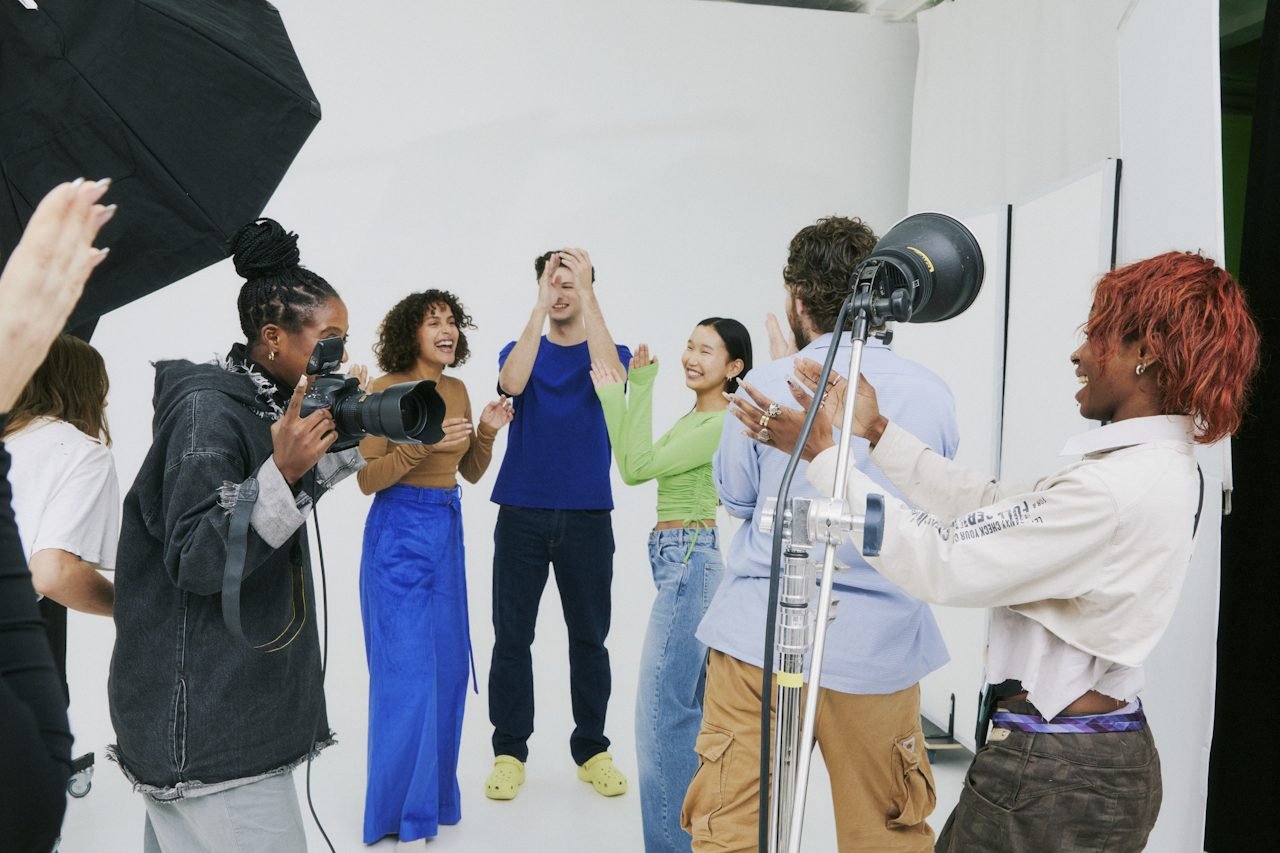
Content capture should be intentional but unobtrusive. Assign someone to the task so it doesn’t fall to you or interrupt the flow. The goal is to preserve what’s happening, not dominate it. When documentation is handled quietly and thoughtfully, the event gets to exist fully in the moment—and live on afterward.
Volunteers, Delegation, and Not Doing It Alone
Events feel more professional when they’re not run by a single person doing everything at once.
Delegation spreads energy and increases capacity. It also makes the event feel staffed, supported, and intentional.
Recruit volunteers with clarity. Specific roles attract help more effectively than vague requests. People want to know how they’re contributing.
Match roles to strengths. A social person at the door, a detail-oriented person managing logistics, a creative person capturing content. Good matches make everything smoother.
Ownership beats busywork. When people understand why their role matters, they show up differently.
Gratitude is part of the design. Public thanks, small gestures, and genuine recognition build goodwill that carries into future events.
Perception Is Part of the Experience
Perception isn’t manipulation—it’s framing. How people understand and remember an event is shaped just as much by what happens after as what happens during.
Scarcity, sold-out language, and limited access all influence how value is interpreted. Density matters more than duration. A short, packed program often feels bigger—and more intentional—than a long, thin one that never quite lifts.
Documentation is the event’s afterlife. Photos, videos, recaps, and write-ups don’t just prove that something happened—they extend it. They give the event a second life online and create anticipation for whatever comes next.
This is also where community and cause matter most. When an event is tied to a shared value or a specific cause, the story doesn’t end when the chairs are stacked. People remember why they gathered, not just that they did. That sense of purpose carries forward, shaping how the event is talked about and how future events are anticipated.
A strong recap does scale work for you. It frames the night as part of a longer arc—one moment in an ongoing series of actions, relationships, and shared intentions. Long after the space is cleared, perception is what remains.
When the Event Doesn’t Go the Way You Planned
Sometimes, despite your best efforts, an event just doesn’t land. The turnout is low. The energy never quite lifts. Something technical breaks. The timing is off. It happens more often than people admit—and it happens to people who are very good at what they do.
Cordially had one event that was, by most external measures, a failure. There were several contributing factors. It poured rain all night. It was our first event in Toronto, and we weren’t yet established enough in the local community to reach a wide audience. While the attendees, vendors, and bands who were there had a genuinely good experience, the turnout was low—and it felt disappointing.
The first thing to remember is that a “failed” event is not a referendum on your competence, your idea, or your future. It’s data. It’s information. And it’s incredibly normal.
If you’re in the middle of an event that feels like it’s falling flat, your job isn’t to fix everything—it’s to stabilize the room. Focus on the people who are there. Shift your attention from what you expected to what’s actually happening. A smaller crowd can support deeper conversation, more flexibility, and more intimacy. Lean into that instead of fighting it.
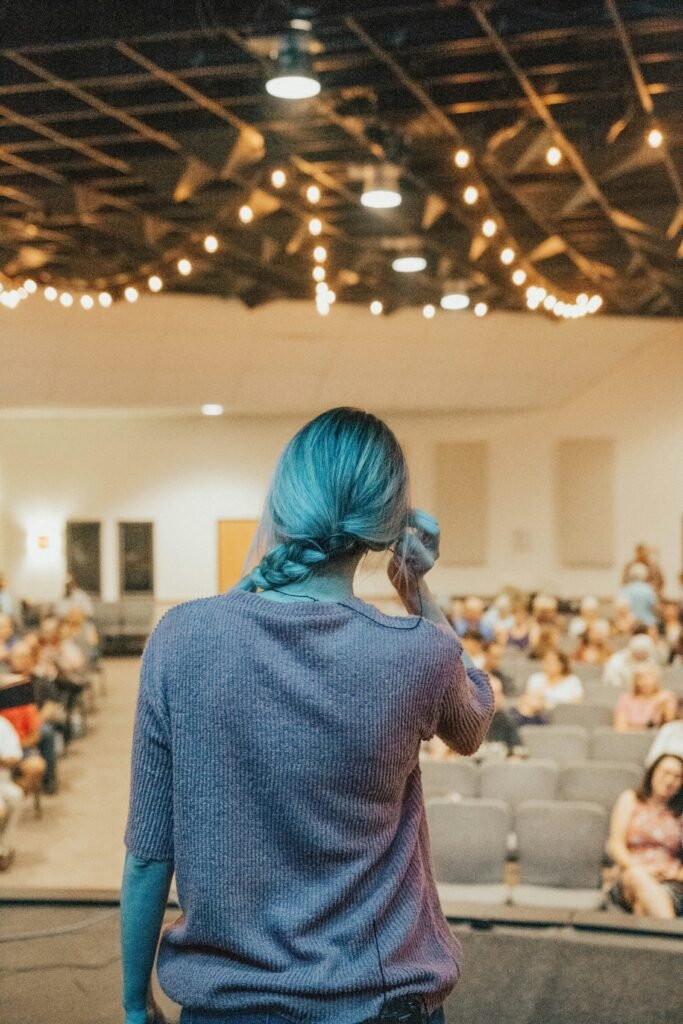
Resist the urge to narrate disappointment out loud. Guests take emotional cues from the host. If you act like something has gone wrong, they’ll feel it too. If you stay present and grounded, most people will follow your lead.
After the event, give yourself some time before deciding what it “meant.” Immediate post-mortems are rarely kind or accurate. Once you have some distance, look at what worked and what didn’t—specifically, not emotionally. Was the issue timing? Promotion? Location? Weather? Competing events? These are logistical variables, not personal failures.
It’s also important to separate outcome from execution. An event can be thoughtfully designed and still under-attended. It can be meaningful for a small group even if it didn’t reach the audience you hoped for. Both things can be true at the same time.
When you’re ready to move forward, document what you learned. Write it down while it’s fresh. Adjust one or two variables next time instead of scrapping the entire concept. Most successful event series are built through iteration, not instant success.
Finally, decide how—and if—you’ll talk about it publicly. You don’t owe anyone an explanation for low turnout. Share documentation that reflects the experience that did happen, not the one you imagined. Future audiences don’t need the backstory—they only need to see that you show up, you keep going, and you learn.
Every strong event series has a few quiet nights in its history. The difference isn’t that they never failed—it’s that they didn’t let one night become the end of the story.
Make It Feel Like Something Happened
People don’t remember how many people were there. They remember how it felt to be there.
Intention beats budget. Confidence reads as scale.
The goal isn’t to fake anything—it’s to amplify what’s already present. When care, clarity, and energy are visible, even the smallest event leaves a big mark.
→ Subscribe to The Edit for more guides on DIY culture, creative organizing, and building community with intention.
→ Share your own event lessons and hard-won wisdom with #newgirlarmy.
→ Pitch us your story or event series at She Zine Mag.
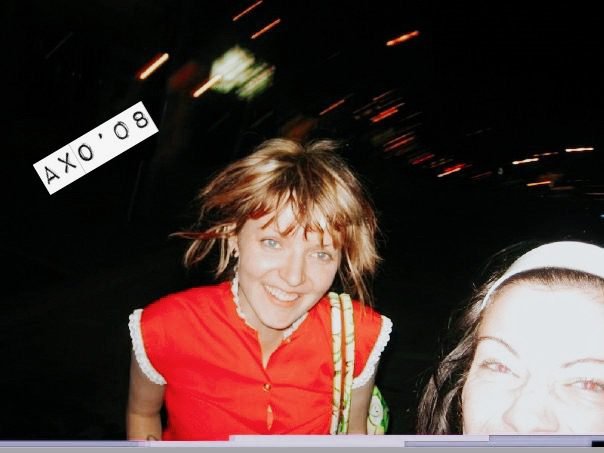
AXO (she/her) is a multidisciplinary creator and editor based in Toronto. She is the founder of She Zine Mag, Side Project Distro, BBLGM Club, and several other projects under the AXO&Co umbrella — each rooted in DIY culture, creative rebellion, and community care. Her work explores the intersection of craft, technology, and consciousness, with an emphasis on handmade ethics, neurodivergent creativity, and the politics of making. She is an advocate for accessible creativity and the power of small-scale cultural production to spark social change. Her practice merges punk, print, and digital media while refusing to separate the emotional from the practical. Above all, her work invites others to build creative lives that are thoughtful, defiant, and deeply handmade.