
















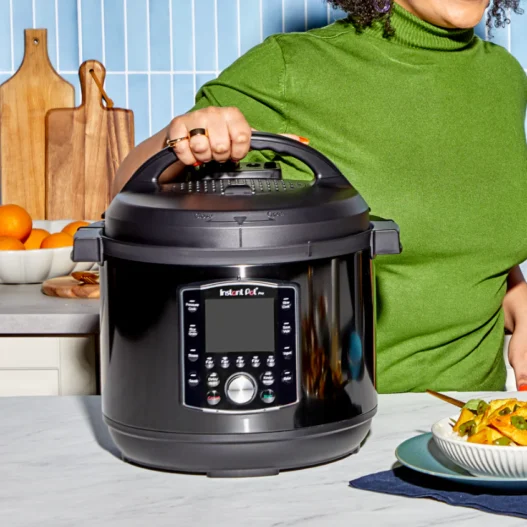
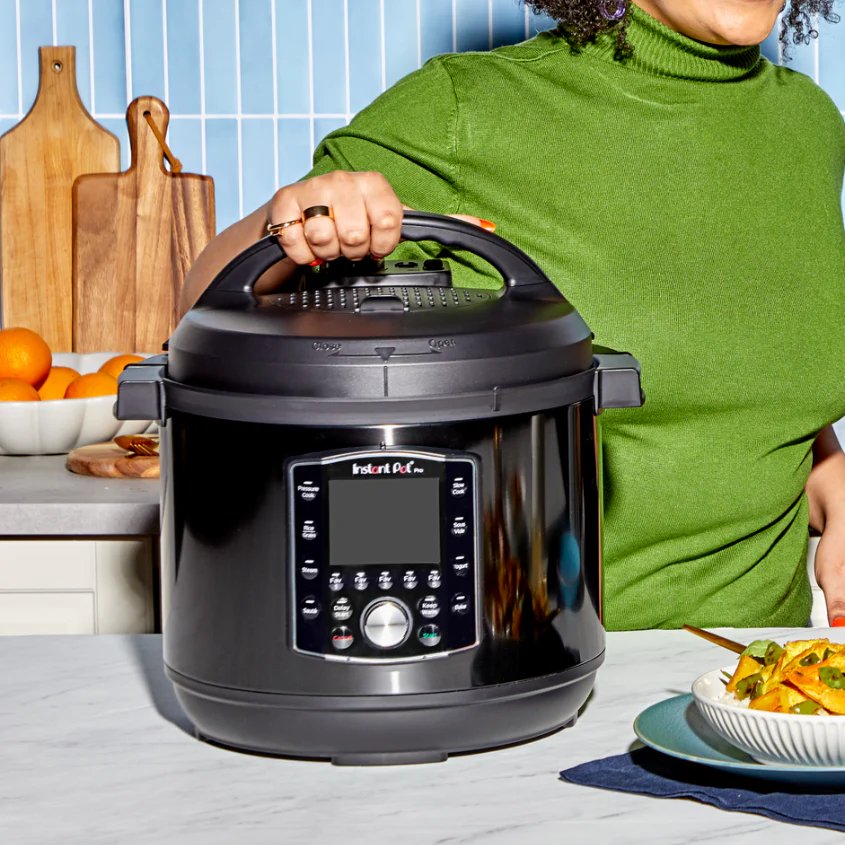
Punk has never been very good at staying in its lane. It leaks out of basements and record bins and ends up wherever people are trying to survive together. Sometimes that’s a show. Sometimes it’s a meeting. And very often, it’s a kitchen.
Long before anyone was calling it “mutual aid,” punk scenes were feeding each other. Not as charity, but as necessity. You can’t scream all night, organize all day, or build anything lasting if everyone is running on fumes. Someone has to cook. Someone always does.
The myth says feminism had to reject the kitchen to be free. Punk never fully bought that. Instead, it asked a sharper question: what if the problem isn’t the kitchen—but the conditions under which we’re forced to work inside it?
Community kitchens—formal or improvised—have always been part of the infrastructure. Soup after shows, big pots on hot plates, chili stretched with whatever’s around. Vegan meals by default, because it’s cheaper, easier to share, and nobody wants to argue about ethics when they’re hungry. Feeding people wasn’t a side project. It was how scenes stayed alive.
Enter the Instant Pot.
At first glance, it looks like the least punk object in the kitchen: stainless steel, digital buttons, marketed toward tidy countertops. In practice, it does exactly what punk kitchens have always needed—it turns limited resources into something sustaining, fast, and communal. Pressure cooking is survival logic: make good food out of not much, which feels a lot like DIY ethics in action.
The punk of it lives in the chaos it solves. Punk is a refusal of gatekeeping, and the Instant Pot laughs directly in the face of traditional cooking hierarchies. Didn’t grow up with someone teaching you knife skills? Don’t have perfect mise en place? Burnt another pan because you were doomscrolling instead of stirring? The Instant Pot doesn’t care. It’s the tool for people who learned adulthood sideways—who live in studio apartments with bad ventilation, who eat dinner at 11 p.m. because creative flow comes first. It’s for the ADHD kitchen, the neurospicy kitchen, the queer kitchen, the single-mom-artist-hustler kitchen.
That matters.
Pressure cooking is anti-burnout technology. It turns dried beans into dinner without soaking and hours of supervision. It allows one person to feed many without being trapped in the kitchen all night. It frees up time—for organizing, resting, parenting, making art, or simply not disappearing into unpaid labour.
That’s not domestic retreat. That’s feminist infrastructure.
Because feminist politics that don’t account for exhaustion are just theory.
The Kitchen Isn’t the Problem. Exploitation Is.
For generations, women were told cooking was their destiny. Later, we were told rejecting it was liberation. Both narratives missed the point.
The problem was never the act of feeding people. The problem was:
– who was expected to do it
– who benefited from it
– who got credit
– and who got to rest afterward
Punk kitchens flip that script.
Meals are shared. Labour is visible. Credit is collective. Nobody is praised for suffering. Nobody is shamed for opting out. Cooking is one role among many—not a gendered obligation.
That’s feminism with its sleeves rolled up.
The Instant Pot fits into this ecosystem because it refuses drama. It doesn’t reward overwork. It doesn’t fetishize tradition. It simply does the job—reliably, quietly, without asking who you are or what you “should” enjoy doing.
And that’s radical in a culture that still expects women to prove love through exhaustion.
A Quick Guide to Instant Pot Models
Here’s how the landscape looks for Instant Pots in 2026 — not a shopping catalog, but a field guide for creatives, cooks, and communal kitchens:
Instant Pot RIO 7‑in‑1 Multi‑Cooker — Best for beginners and basics. A straightforward multi-cooker with the core functions: pressure cook, slow cook, sauté, steam, rice, yogurt, and keep warm. Easy to use, affordable, and versatile for daily communal cooking.
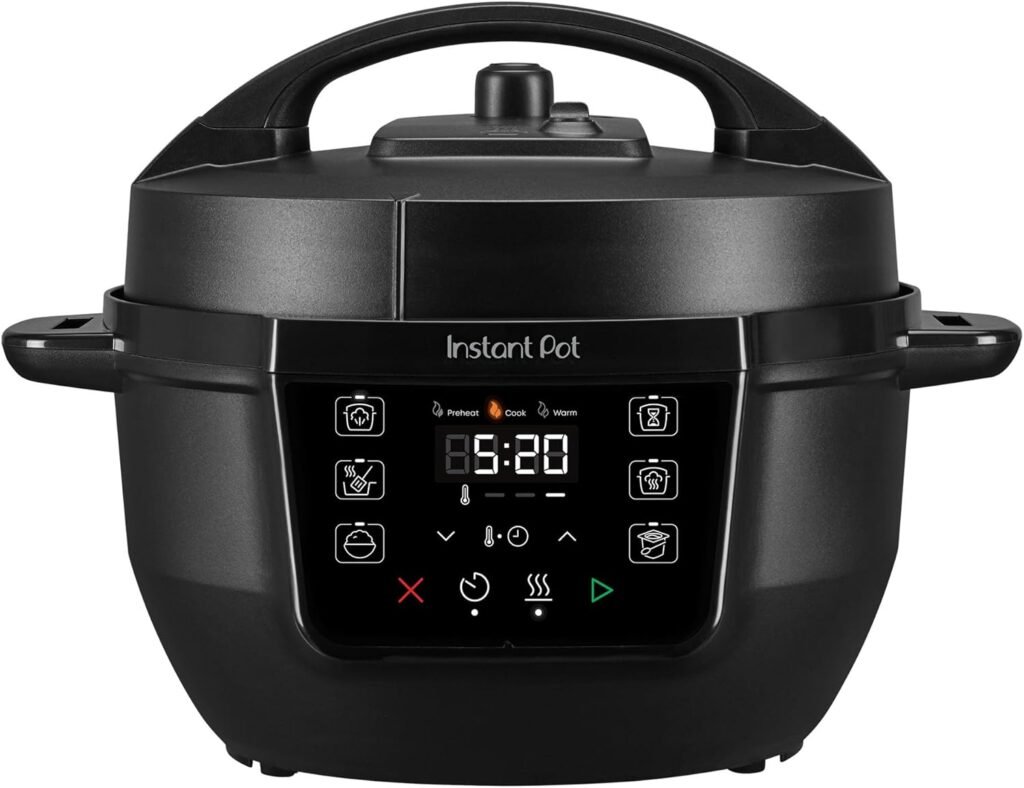
Instant Pot Duo 7‑in‑1 Electric Pressure Cooker and Instant Pot Duo 8qt 7‑in‑1 Pressure Cooker — Classic workhorses. The Duo series is the model that built the cult following: simple functions, reliable performance, and enough capacity to feed a crew without extra fuss.
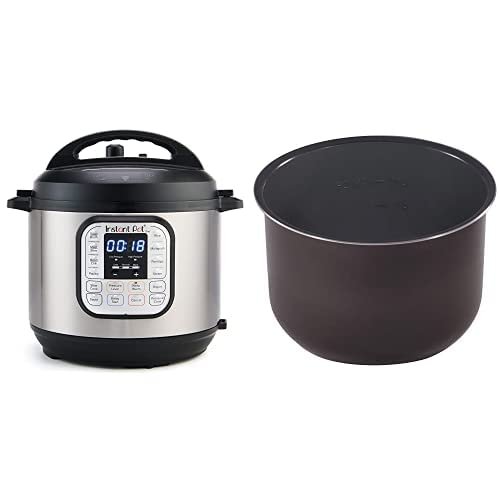
Instant Pot Duo Plus 9‑in‑1 Electric Pressure Cooker — A step up. Adds a few more programs (like cake, sous vide, sterilize) and smoother controls. Good for groups that want a bit more versatility without paying premium prices.
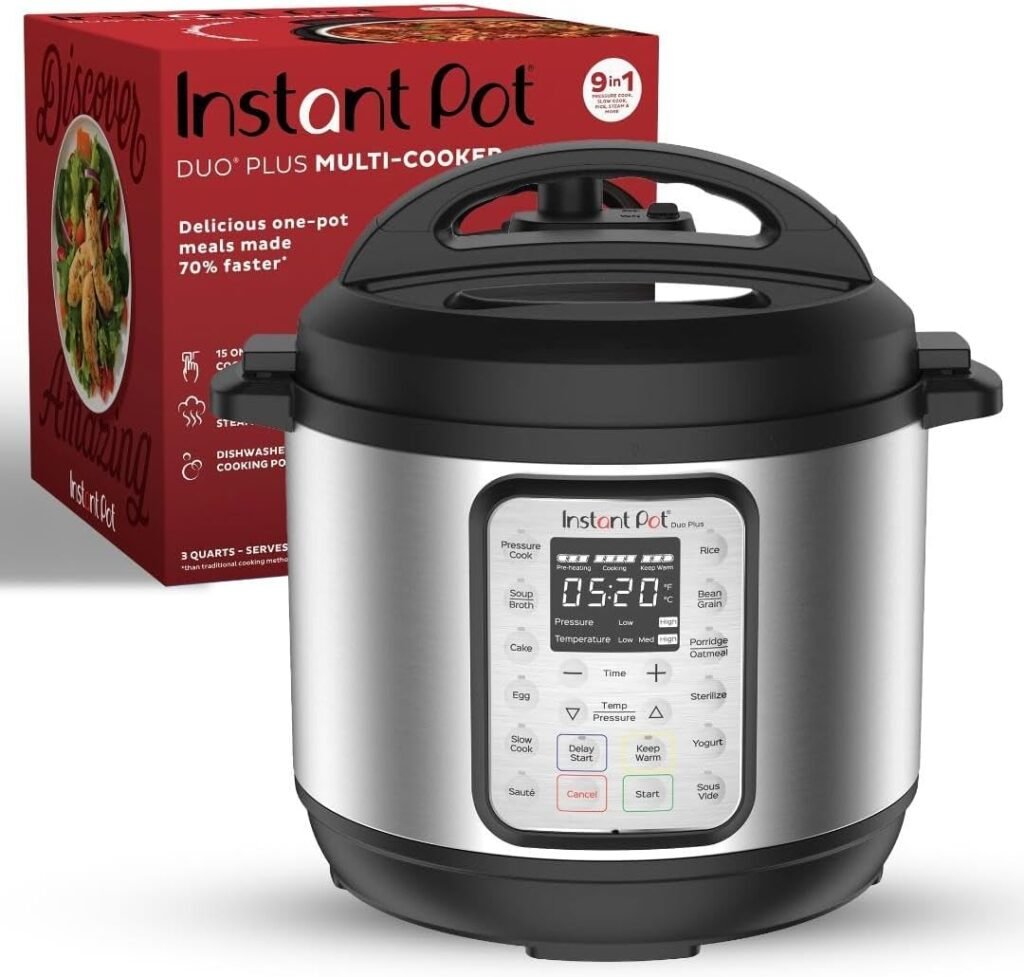
Instant Pot Duo Crisp Air Fryer 6‑Quart — All-in-one hybrid. Combines the pressure cooker with an air fryer lid. Great if you want crisp finishes — though in some tests the air fryer functions aren’t as strong as standalone models, it’s still handy extra capability.
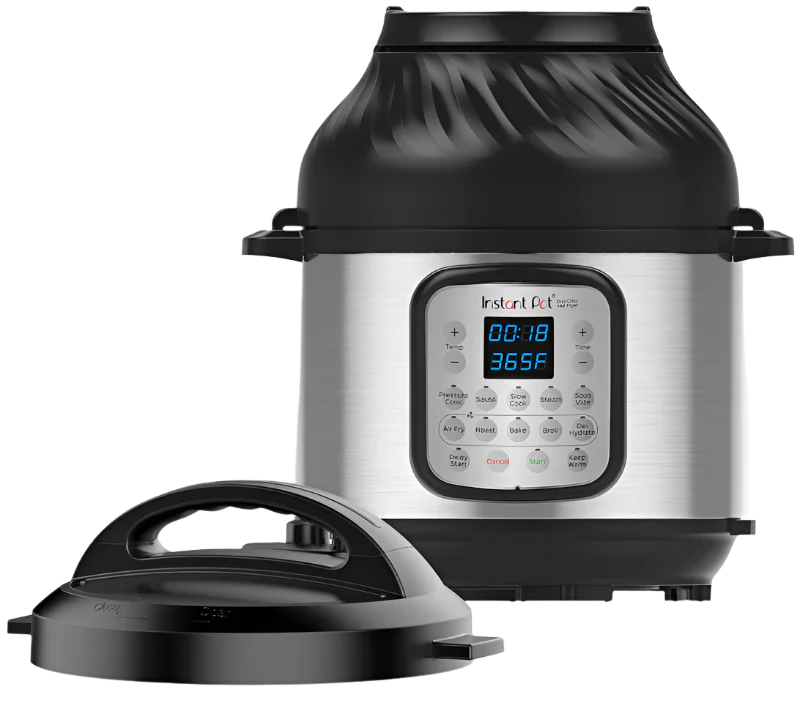
There are other Instant Pot models on the market too — from wifi-enabled smart versions to wider pots for larger batches — but the ones above capture the main line between simple and powerful.
What binds them is the same thing punk celebrates: practicality over pretense, adaptability over perfection. None of these machines care about looking cool on the counter. They care about making food fast. That’s punk ethos by another name.
What matters most isn’t which model you choose—it’s that the tool supports the work instead of glorifying the worker’s sacrifice.
Why This Matters
Punk kitchens strip the moralizing out of food. There’s no performance of purity, no aesthetic perfection. Meals are practical. Nourishing. Shared. They exist to meet a need, not to prove a point. That refusal to aestheticize survival is one of punk’s most underrated contributions.
Cooking for a partner who refuses to share the load is one thing. Cooking for a room full of people trying to build something together is another entirely.
The Instant Pot fits into this lineage because it doesn’t care about romance. It cares about heat, pressure, and time. It works whether the kitchen is spotless or held together with duct tape. It works whether the cook is experienced or learning on the fly. It doesn’t ask who you are—just what you’ve got.
And that’s the point.
Punk has always been about access: to sound, to space, to expression, to care. When scenes fall apart, it’s rarely because the music got worse. It’s because the infrastructure collapsed. No rides. No food. No place to land.
Feeding Each Other Is Feminist Practice
Punk was never just about sound. It was about building parallel systems where people could survive without permission. Kitchens were part of that. Still are.
When scenes collapse, it’s rarely because the politics weren’t pure enough. It’s because people burned out. Because the care work wasn’t shared. Because the same people kept showing up with groceries while others took the mic.
The Instant Pot isn’t revolutionary on its own. No object is. But in feminist hands—hands that understand care as collective responsibility, not feminine destiny—it becomes what punk tools have always been: practical, defiant, and quietly indispensable.
Punk didn’t abandon the kitchen.
It refused to be trapped there.
And that difference is everything.
Below: four recipes that taste like they were cooked slowly on a commune wood stove, but are actually Instant Pot anthems for chaotic creatives.
1. Riot-Grrrl Red Lentil Dahl (Vegan, Fast, Zero Fuss)
This one is pure comfort. Five minutes of prep, 10 minutes of pressure, and you’ve got a pot of protein that tastes like you know what you’re doing.
Ingredients:
• 1 cup red lentils, rinsed
• 1 onion, chopped
• 3 cloves garlic, minced
• 1 tbsp grated ginger
• 1 tbsp curry powder
• 1 tsp turmeric
• 1 tsp salt (more to taste)
• 1 can coconut milk
• 2 cups water or veg broth
• Optional: kale, spinach, lemon
Method:
Sauté onion, garlic, ginger in the Instant Pot for 2–3 minutes. Add spices. Add lentils, coconut milk, and water. Seal and cook on High Pressure for 10 minutes. Quick release. Stir in greens at the end if you want a little colour and vitamin rebellion.
Serve with rice, naan, or over a jacket potato when you’re too tired to pretend you meal-planned.

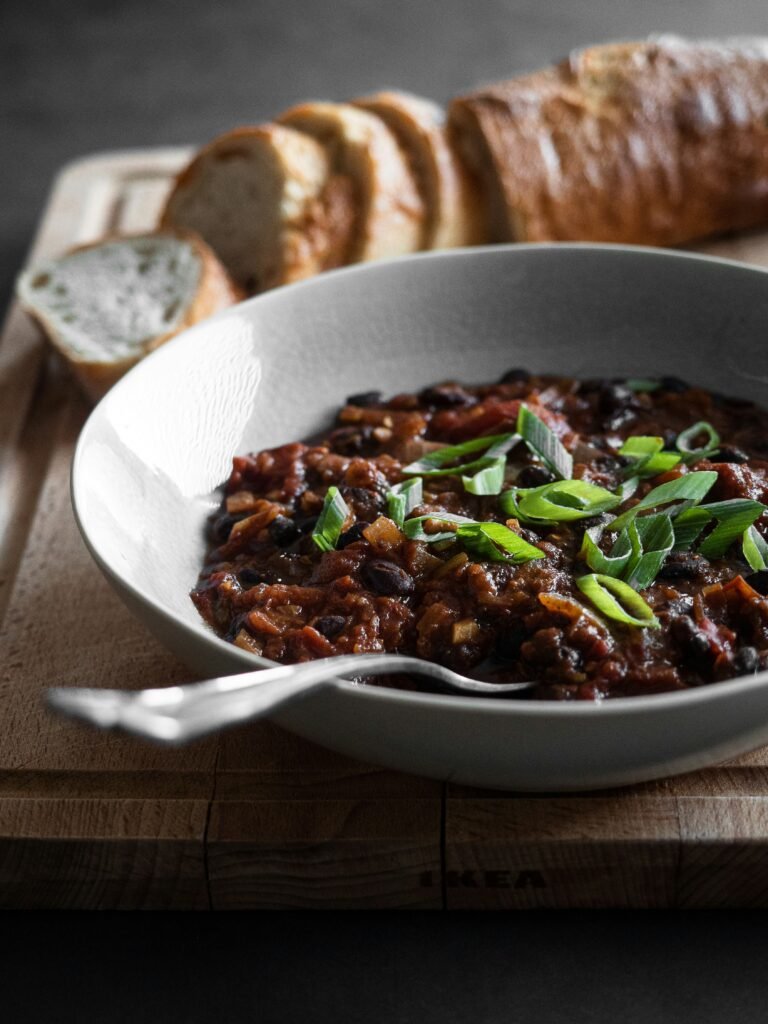
2. Basement-Show Black Bean Chili (Vegan, Cheap, Feeds a Crowd)
This is the potluck recipe for people who show up with a tote bag full of enamel pins and no plan.
Ingredients:
• 1 onion, chopped
• 1 bell pepper, chopped
• 3 cloves garlic, minced
• 1 tbsp chili powder
• 2 tsp cumin
• 1 tsp smoked paprika
• 2 cans black beans (drained)
• 1 can diced tomatoes
• 1 cup frozen corn
• 1–1.5 cups vegetable broth
• Salt + hot sauce
Method:
Dump everything in except the salt and hot sauce. Stir once so it looks like effort was made. Cook on High Pressure for 12 minutes; natural release for 5. Season hard.
Eat with tortilla chips, throw hemp hearts on top to pretend you’re a functioning adult, or wrap it in a burrito and keep writing until 3 a.m.
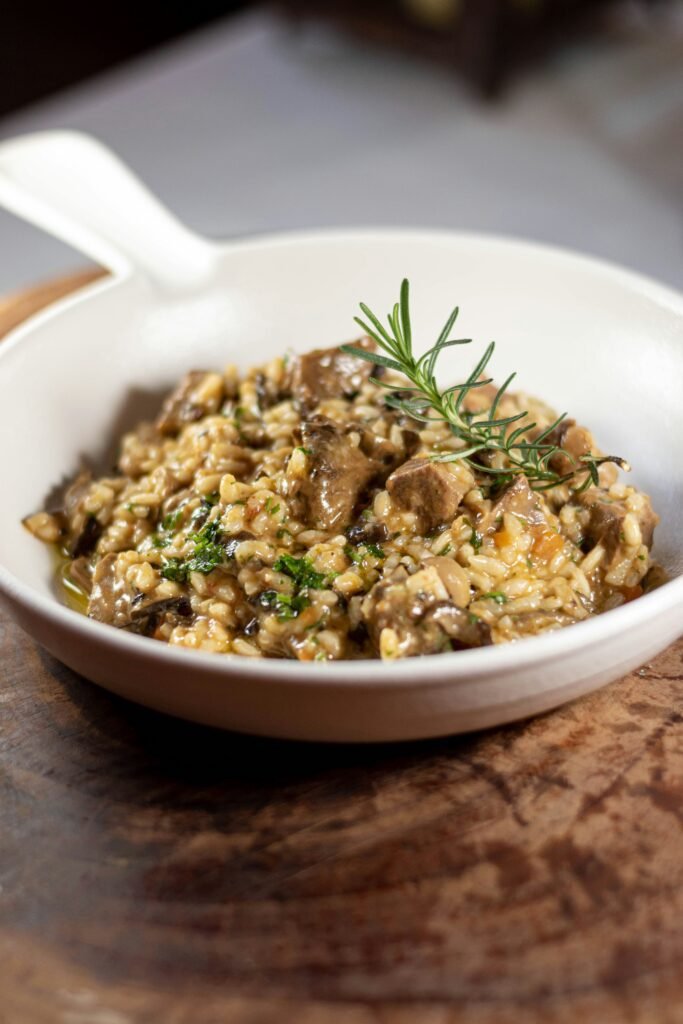
3. Weeknight Anarchy Mushroom Risotto (Vegan, Creamy Without Trying)
Risotto is famous for demanding devotion — standing, stirring, babysitting. Instant Pot risotto laughs at all of that.
Ingredients:
• 1 tbsp olive oil
• 1 onion, diced
• 2–3 cups mushrooms, sliced
• 3 cloves garlic
• 1.5 cups arborio rice
• 3 cups vegetable broth
• 2 tbsp nutritional yeast
• Salt + pepper
• Optional: a splash of oat milk, lemon zest, fresh herbs
Method:
Use Sauté mode for onions, mushrooms, garlic. Add rice and toast for 1 minute. Add broth. Seal and cook on High Pressure for 6 minutes. Quick release. Stir in nutritional yeast and optional oat milk for creaminess.
If you want to get fancy — which is extremely un-punk — finish with lemon zest and chopped parsley. If not, shovel it into a bowl and go live your life.
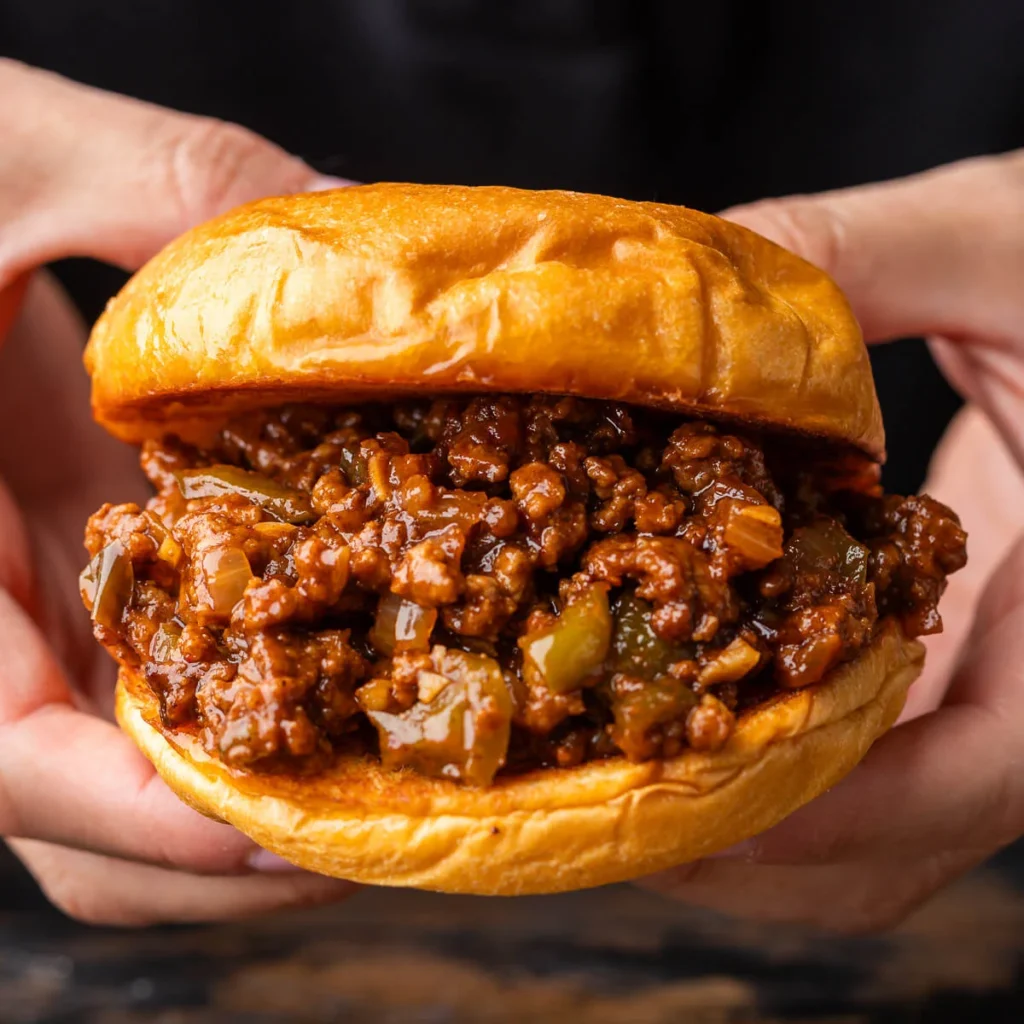
There’s something beautifully feral about a sloppy Joe — a meal that actively resists being tidy. It drips, it stains, it dares you to eat it in public. Turning it vegan in the Instant Pot just amplifies that punk energy: cheap ingredients, big flavour, zero desire to impress anyone.
Here’s your fourth dish — messy, fast, and perfect for late-night kitchen anarchy.
4. Chaos-Theory Vegan Sloppy Joes (Instant Pot Edition)
This is the weeknight sandwich equivalent of a scratchy 7-inch recorded in someone’s garage. It’s unfussy, loud, and absolutely hits.
Ingredients:
• 1 tbsp olive oil
• 1 onion, finely chopped
• 1 green pepper, diced
• 3 cloves garlic, minced
• 1 cup dry red lentils, rinsed
• 1 can (398 ml) crushed tomatoes
• 2 tbsp tomato paste
• 1 tbsp soy sauce (or tamari)
• 1 tbsp maple syrup
• 1 tbsp chili powder
• 1 tsp smoked paprika
• 1 tsp mustard powder
• 1 cup vegetable broth
• Salt + pepper
• Optional: splash of apple cider vinegar, hot sauce, vegan cheese slices, pickles
Method:
Sauté onion, pepper, and garlic in the Instant Pot for 3–4 minutes. Add spices, lentils, tomatoes, paste, soy sauce, maple syrup, and broth. Stir everything so it resembles something a little reckless.
Seal the lid and cook on High Pressure for 10 minutes. Let it naturally release for 5 minutes, then quick release the rest.
Stir. Taste. Add salt, pepper, and a splash of vinegar if you like that tangy boss-energy finish.
Pile onto toasted buns and let it absolutely ruin your shirt — which is, in its own way, the point.
Feeding each other is infrastructure.
It’s not glamorous. It doesn’t get documented the way shows do. But it’s the thing people remember: the meal after the chaos, the warmth, the sense that someone thought ahead enough to make sure nobody went home empty.
The Instant Pot isn’t revolutionary on its own. No object is. But in the hands of a community that understands care as collective responsibility—not obligation, not sacrifice—it becomes what punk tools have always been: practical, adaptable, and quietly essential.
If punk taught us anything, it’s that the tools don’t matter as much as what you build with them. The Instant Pot just happens to be a tool that gets you fed fast enough to make the rest of your rebellion possible.
The Instant Pot is punk because it gives you time back—time to make art, time to write, time to figure out who you’re becoming. It isn’t glamorous. It isn’t aesthetic. It’s useful in the way good subcultures always are: resourceful, communal, unpretentious, a little chaotic, and absolutely uninterested in impressing anyone.
Punk never stopped cooking. It just upgraded the equipment.
→ Read more about punk kitchens, mutual aid, and creative survival
→ Feed someone this week—no permission required
→ Subscribe to The Edit for culture, craft, and collective care
→ Follow @shezinemagazine for more tools, theory, and troublemaking

AXO (she/her) is a multidisciplinary creator and editor based in Toronto. She is the founder of She Zine Mag, Side Project Distro, BBLGM Club, and several other projects under the AXO&Co umbrella — each rooted in DIY culture, creative rebellion, and community care. Her work explores the intersection of craft, technology, and consciousness, with an emphasis on handmade ethics, neurodivergent creativity, and the politics of making. She is an advocate for accessible creativity and the power of small-scale cultural production to spark social change. Her practice merges punk, print, and digital media while refusing to separate the emotional from the practical. Above all, her work invites others to build creative lives that are thoughtful, defiant, and deeply handmade.