












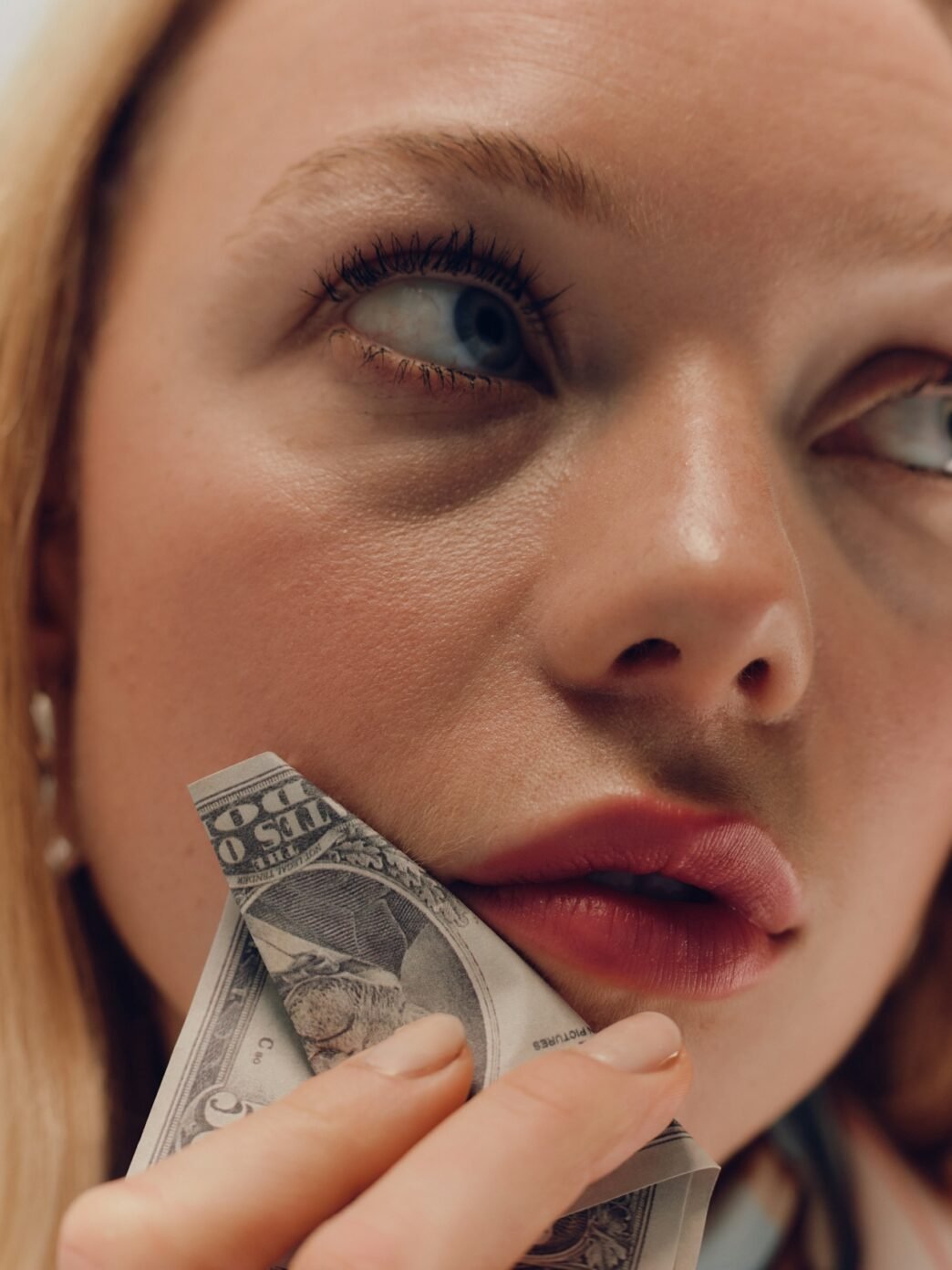
Romantic Myths and Real Rent
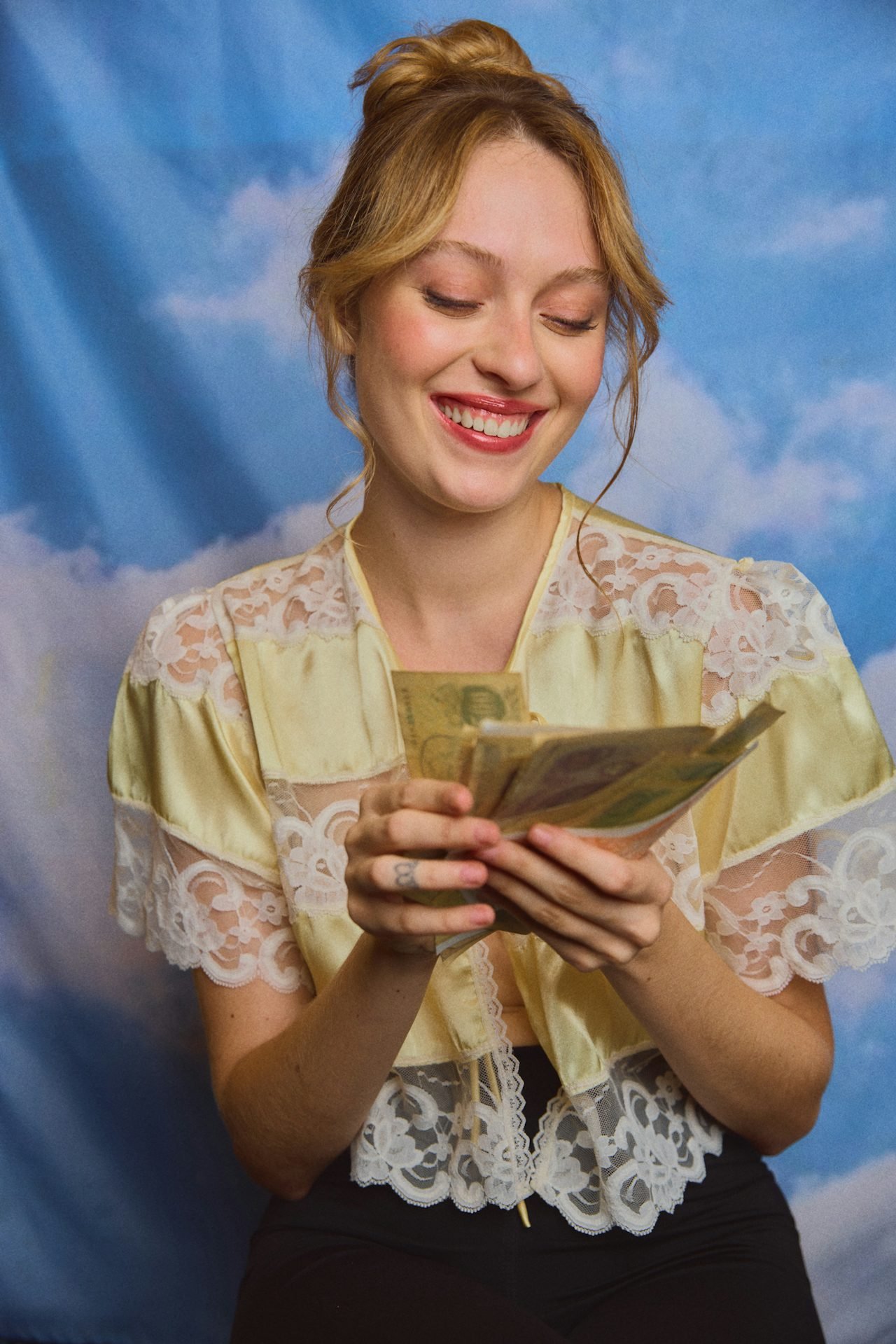
The idea that creativity should exist outside of money is a romantic fantasy—usually subsidized by someone else’s paycheque. Making things costs something. Time, tools, space, attention, energy. Especially when it’s how you survive.
Getting paid isn’t selling out. It’s how you keep showing up.
By most people’s approximation, I sold out a long time ago. I’ll tell you right now: I barely make enough to cover platform fees, never mind my rent. There’s no victory lap here—just invoices, browser tabs, and a to-do list that never quite clears.
We like to believe in the myth of the pure creator. The one who makes purely for passion, untouched by the grubby realities of money. Not chasing millions, just chasing truth. And honestly, that part is mostly real. Very few makers think they’re going to get rich. Most of us would be thrilled just to get by.
The First Dollar Is the Weirdest
But that myth makes the first dollar super strange.
The moment you accept money for something you love, the story shifts. Suddenly it’s not just a thing you made—it’s a product. A transaction. A value judgment. We become weirdly moral about it. Judgemental, even toward ourselves.
There can be real guilt in charging for work that came from joy. It can feel like you’ve crossed some invisible line you didn’t know was there.
Somewhere along the line, we absorbed the idea that loving what you do should cancel out the need to be paid for it. That if it feels good to make, you should be grateful enough to survive on vibes and exposure. This logic never seems to apply to landlords, software companies, or shipping carriers. Just to artists.
Follow the Money
If you think your favourite maker is getting rich off that $50 knit hat you found at a big box store for $5, follow the money.
There are platform fees. Payment processor cuts. Publisher margins. Wholesale markups. Shipping. Packaging. Taxes. Time. Materials. Tools. Rent. By the time the transaction is done, the receipt tells a very different story than the price tag. If you trace the path all the way through, you’ll see how little actually lands back in the maker’s hands.
It’s more common than not for new makers to lose money on their first sales—not because the work isn’t good, but because pricing feels awkward, loaded, or a little too close to home. If you want to dig into how to charge in a way that actually covers your costs and your time, we broke it down in a piece that walks through the numbers. It’s less “hustle,” more “infrastructure.”
Transparency as Design
As a creator, you start to assume most people don’t really know how that system works. So instead of hiding it, you can make it visible.
Make transparency a design choice. Let how you fund your work become part of the work itself, not just a footnote at the bottom of a checkout page. Put the economics in the open. Let people see the scaffolding. The hours. The margins. The math.
Because the real ethical line isn’t between “pure” and “paid.”
It’s between pretending creativity exists outside the world—and building something honest inside it. Between performing detachment and actually taking responsibility for how the work survives.
If you want to go deeper on the practical side—how to price your work in a way that keeps you fed without flattening your values—I put together a guide that breaks down the numbers, the psychology, and the quiet politics of charging for what you make.
The Costume of Authenticity
Sometimes “authentic” is just a costume that converts better than saying, plainly, “I run a small business.” You can use that to your advantage without lying about what you’re doing.
Let the brand have a personality, sure—but don’t pretend it isn’t also a ledger. The trick isn’t to perform sincerity. It’s to be clear about the exchange. People aren’t turned off by the fact that you need to make money. They’re turned off by feeling like they’ve been quietly sold to.
Partnerships, Out Loud
If you run a handmade brand, it’s worth thinking about sponsorships and collaborations as part of your ecosystem—not a moral failure. That can look like affiliate links on your site, working with a maker who has a much bigger reach than you, or even something as simple as a small banner ad tucked at the bottom of a page.
Not all partnerships are shady. But all of them deserve to be introduced out loud, not whispered into the fine print.
She Zine works with a mix of brands through ad placement and affiliate links, and we recently unpacked how that actually functions—what it means, where the money goes, and what readers should know before they click.
It’s a skill we’re still learning. Even a brand that lines up perfectly with your values can feel awkward to talk about in public. The work is finding a voice that doesn’t sound like a pitch and doing the homework to make sure you can genuinely stand behind what you’re sharing. Authenticity isn’t a vibe. It’s due diligence.
Crowds and Commons
There’s power in building a community around your brand. When someone sees a thing you made out in the world, they should recognize more than the object—they should recognize the values stitched into it. The connection isn’t just between you and the buyer. It’s between the people who choose to carry that thing through their lives.
The real line isn’t between having an audience and having a following. It’s between building a crowd and building a commons—and that line shows up in what you ask people to give back, not just what you ask them to buy.
Pricing for Rest
When everything is expected to make money, rest becomes the most radical expense you’re told you can’t afford. So build it into the price.
Even something as small as a five percent margin on top of your COGS can become a quiet fund for future you. A buffer for the week you need to step away. A cushion for the slow month. A rainy-day account that keeps a break from turning into a crisis.
Sustainability isn’t just about materials and ethics. It’s about whether the person making the work is allowed to stop making it, once in a while, and still be okay.
Choosing Your Stains
Ethics in creative work isn’t about staying clean. It’s about choosing which stains you can live with—and which ones you’re willing to wear in public. Every project leaves a mark: on your time, your body, your values, your bank account. The only real decision is whether you pretend those marks aren’t there, or you build a practice that can carry them honestly.
→ Build Your Pricing Infrastructure
Read our guide on charging for your work without flattening your values—numbers, margins, and the quiet politics of getting paid.
→ Join the Commons, Not Just the Crowd
Subscribe to The Edit for behind-the-scenes notes on how we fund, make, and sustain She Zine—transparency, experiments, and the messy middle.
→ Follow the Money Trail
Dig into how ads, affiliates, and partnerships actually work here—what we run, why we run it, and what every click supports.
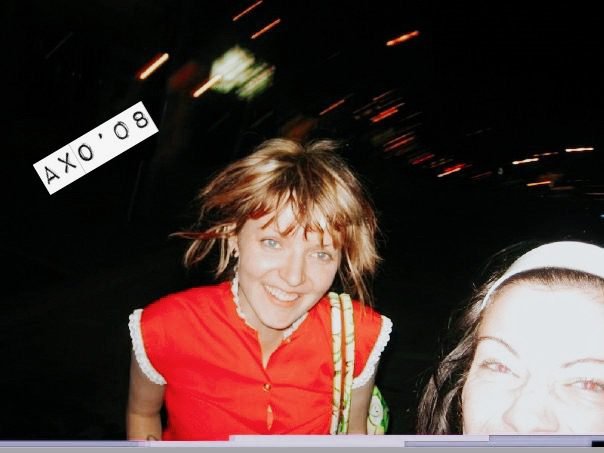
AXO (she/her) is a multidisciplinary creator and editor based in Toronto. She is the founder of She Zine Mag, Side Project Distro, BBLGM Club, and several other projects under the AXO&Co umbrella — each rooted in DIY culture, creative rebellion, and community care. Her work explores the intersection of craft, technology, and consciousness, with an emphasis on handmade ethics, neurodivergent creativity, and the politics of making. She is an advocate for accessible creativity and the power of small-scale cultural production to spark social change. Her practice merges punk, print, and digital media while refusing to separate the emotional from the practical. Above all, her work invites others to build creative lives that are thoughtful, defiant, and deeply handmade.