















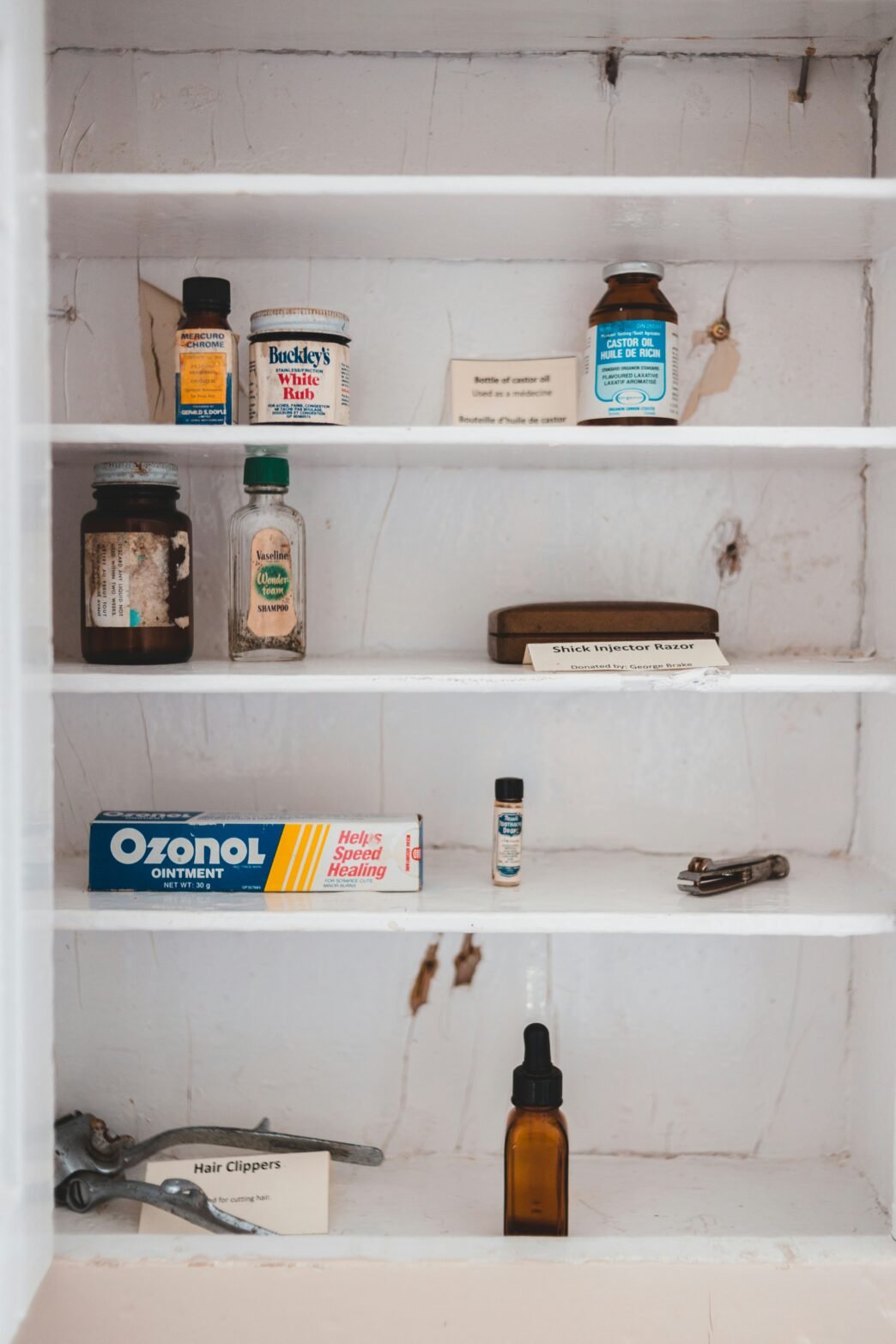
Most of your health doesn’t happen in exam rooms. It happens at kitchen counters at midnight, on transit rides with a headache you’re trying not to think about, in the quiet decision of whether something is “fine” or “not fine yet.”
It lives in the long, ordinary hours between appointments, where you’re not looking for a diagnosis. You’re just trying to get through the day.
This is where care stops being a system you visit and starts being something you practice. Not as a rebellion or a lifestyle, but as small, practical ways to steady yourself while you wait and figure out what comes next.
If you’ve ever felt dismissed or misdiagnosed, you know how quickly trust in the medical system can erode. You walk away from an appointment that didn’t solve anything with a bad taste in your mouth and a new determination to handle things yourself.
A personal care practice isn’t a replacement for medicine. It grows out of wanting more care, not less.
There’s a big difference between being informed and being overwhelmed. One search can send you down a healthcare rabbit hole — one site says one thing, an influencer says another, and a post on Facebook contradicts them both.
Curiosity turns into fatigue without you noticing.
At some point, you stop looking for perfect answers and start looking for something steadier.
That’s when care starts to change shape.
It becomes something you assemble instead of something you’re handed, shaped by everyday friction: the bus ride to the clinic, the price tag on a prescription, the opening hours that don’t match your workday, the geography that decides what’s close and what’s out of reach.
And it becomes a kind of quiet labour.
The notes.
The reminders.
The mental math.
The gentle monitoring of patterns that repeat themselves.
The background work of paying attention, mostly invisible to everyone but you.
What DIY Care Actually Means
At its best, DIY care is about literacy, not belief — and about remedies.
Not miracle cures or “wellness hacks,” but small, grounded supports that make everyday problems easier to live with while you wait, recover, or figure out what’s actually going on.
This piece includes a small set of low-risk remedies that live firmly in the category of support — not substitution.
Start noticing rhythms that repeat themselves. Is your normal always feeling tired? How long after eating does your stomach start to feel upset? Is your cough worse in the morning?
Focus on how you feel, rather than what it might mean. Try to see a doctor before putting too much weight behind what you’ve read on Dr. Internet. Let better questions lead to better appointments.
In the meantime, you do what you can, safely.
You try the heat pack for the cramps.
The hydration check before assuming the headache is a mystery.
The salt water gargle before spiralling about your throat.
These aren’t replacements for medicine. They’re the support beams that hold you up between appointments.
DIY care also means knowing that “natural” doesn’t mean harmless. Melatonin, St. John’s wort, and even grapefruit can interact with medications. Pay attention before reaching for labels.
Sometimes waiting is part of understanding.
Sometimes waiting needs support — because you still have to live your life while you wait.
When you do make that appointment, bring notes. What memory forgets, paper remembers.
None of this competes with science. It makes you better at using it.
Remedy One: The Hydration Check
Before assuming something is complex, start with something simple.
Headaches, fatigue, dizziness, and brain fog often show up when you’re dehydrated.
A basic rehydration mix isn’t wellness culture — it’s chemistry:
1 litre clean water
½ teaspoon salt
6 teaspoons sugar or honey
Optional splash of citrus for taste
It won’t cure anything. It can stabilize a system that’s running low.
The real work is noticing how you feel before and after and writing it down.
Patterns beat assumptions.

The Personal Kit: Tools, Not Talismans
A personal care kit doesn’t need to look like an apothecary shelf or a lifestyle brand photoshoot. It doesn’t need to be aesthetic.
It needs to be useful.
In a way, it’s a form of self-advocacy.
Most of it starts with tools that help you observe and respond, not “fix” everything: a place to track sleep, mood, pain, energy, or medication timing. A basic thermometer and simple first aid supplies. A list of medications, dosages, allergies, and emergency contacts — the kind of information you can keep in your phone, but also on paper. Copies of test results or diagnoses that can travel with you, especially if you move between providers.
Portability starts to matter once you realize care doesn’t always happen where your things are.
Some information needs to live in your pocket.
Some needs to live in a drawer.
Power goes out. Phones die.
But paper remembers.
There’s a small, steady comfort in knowing exactly where your information lives.
This kind of preparation isn’t only for you. It’s a form of care for the people around you, too. If something goes wrong, they’re not left scrambling to piece together your story.
That’s why legibility matters.
Boring tools matter.
Clear handwriting, simple lists, and plain formats outlast anything trendy.
The goal is to be understood, not impressed.
Over time, this turns into a kind of ritual. You update your records after appointments. You let go of what no longer fits the body you have now.
The kit changes as you do.
Think of your kit as a personal health archive. Your advocate.
And sometimes, it includes something as simple as warmth.
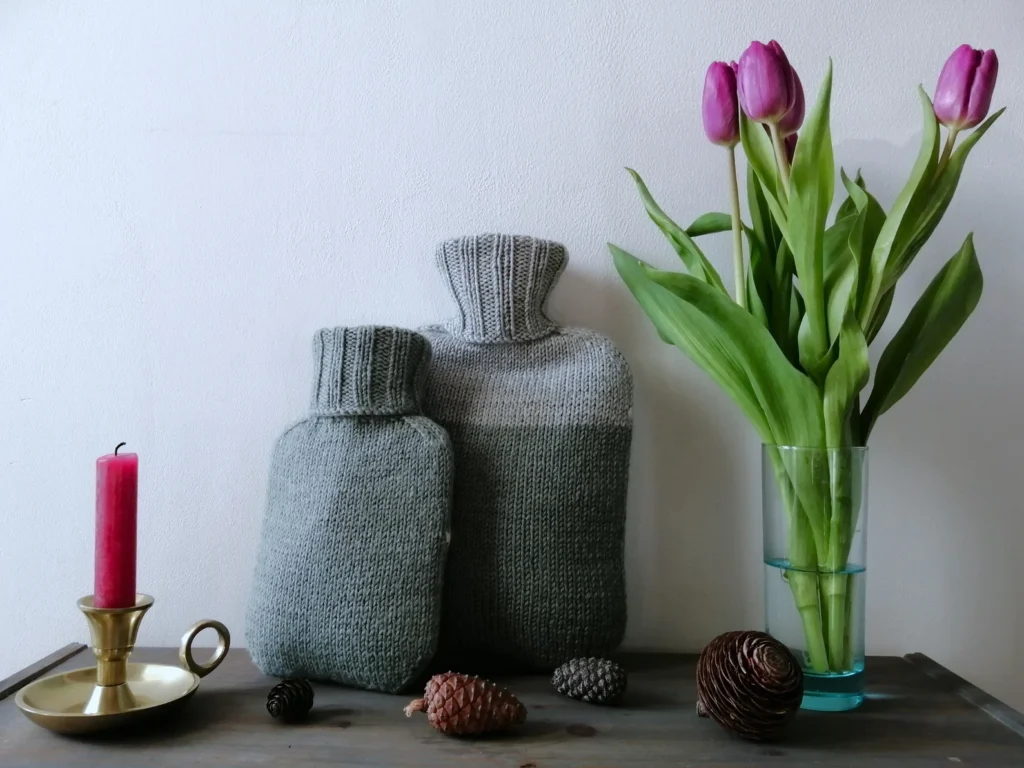
Remedy Two: The Heat Pack
For cramps, muscle tension, and the kind of low-grade pain that makes everything feel heavier, warmth can help your body settle and soften around the discomfort.
A DIY version is almost aggressively simple. Fill a sock or cloth bag with dry rice or lentils, tie it shut, and microwave in short bursts until it’s warm, not hot.
If you’re up for it, you could try this knitting pattern here.
It doesn’t heal anything.
It makes the moment more bearable.
Sometimes that’s enough to get through the night and make a clearer decision in the morning.
Care as a Skill, Not a Product
The wellness industry is very good at selling the idea that care is something you buy.
DIY care pushes in the opposite direction. It treats care as a set of skills you can learn, practice, and share, rather than something you consume. It brings back the work of tending instead of trying to fix everything.
You start to see your role less as being in charge and more as paying attention to your own body.
This shows up in small, ordinary competencies: knowing how to take a proper temperature. How to clean and dress a wound. How to recognize dehydration. How to sit with someone through a panic spike. How to stay with someone in pain without rushing to solve it.
None of this is mystical. It’s basic human infrastructure — the kind that used to live in families, neighbourhoods, and communities before it was handed almost entirely to institutions.
Rebuilding those skills doesn’t compete with medicine.
It fills the spaces medicine doesn’t have the time or the room to hold.
This is where emotional care becomes practical.
Sometimes that practicality looks like knowing what to do when a moment starts to tip.
Remedy Three: The Grounding Protocol
When someone is overwhelmed, panicking, or spiralling, the goal isn’t insight.
It’s stabilization.
A simple sequence can help bring attention back into the body:
Five things you can see.
Four things you can touch.
Three things you can hear.
Two things you can smell.
One thing you can taste.
Slow the exhale. Make the out-breath longer than the in-breath.
This tells the nervous system the moment isn’t an emergency.
This isn’t therapy. It’s a handrail.
If distress keeps returning or escalates, that’s a signal to involve a professional — not double down on DIY.

Knowing the Line
This is where things stop being philosophical and start being serious.
A healthy care practice has clear boundaries. There are things you can handle yourself, things you can monitor, and things that require professional help — immediately.
Part of being pro-science is knowing when a situation has moved out of the DIY zone.
Sudden, severe symptoms matter.
Symptoms that don’t improve or keep returning matter.
Mental health crises matter.
DIY care should make it easier to seek help, not harder.
When Care Isn’t There at All
It’s worth naming the truth underneath all of this: for some people, there is no “between appointments” because there is no appointment to begin with.
Access isn’t evenly distributed. It bends around money, immigration status, geography, language, disability, work schedules, and whether you can afford to take a day off without risking your job or your housing.
For some, the barrier isn’t a long wait.
It’s a closed door.
Living far from clinics can turn a simple check-up into an all-day journey. Living without insurance or stable income can turn a basic visit into a financial gamble. Living in a body the system doesn’t listen to can turn asking for help into a repeated act of emotional labour.
In these spaces, care often shifts outward.
It shows up in community clinics, mutual aid groups, school nurses, pharmacists, elders, neighbours, and friends who know how to navigate a form, make a call, or sit with someone while they wait for something better to become available.
DIY care doesn’t fix these gaps.
It doesn’t solve structural problems or replace the need for real, accessible healthcare.
But it does become a way of surviving inside them — a way to hold yourself steady when the system is slow, distant, or out of reach.
This is where care becomes collective as much as personal.
Rides to appointments.
Shared information about low-cost clinics.
Texts that say, “Did you make it home?”
A spare thermometer passed across a kitchen table.
Small, practical acts that don’t look like policy — but keep people standing while they wait for something bigger to change.
For some, the kit isn’t just what’s in a drawer or a notebook.
It’s the network that makes access possible at all.
Remedy: The Navigation Page
When access is the problem, information becomes a form of care.
Keep a single page — on paper or in your phone — with what helps you move through the system when it’s hard to reach:
Local low-cost clinics and community health centres
Pharmacy numbers
Transportation options
Crisis or support hotlines
A short list of people who can help make calls, watch kids, or go with you
This doesn’t replace care.
It makes care reachable.
On a bad day, you don’t have to start from zero. You just turn to the page and take the next small step.
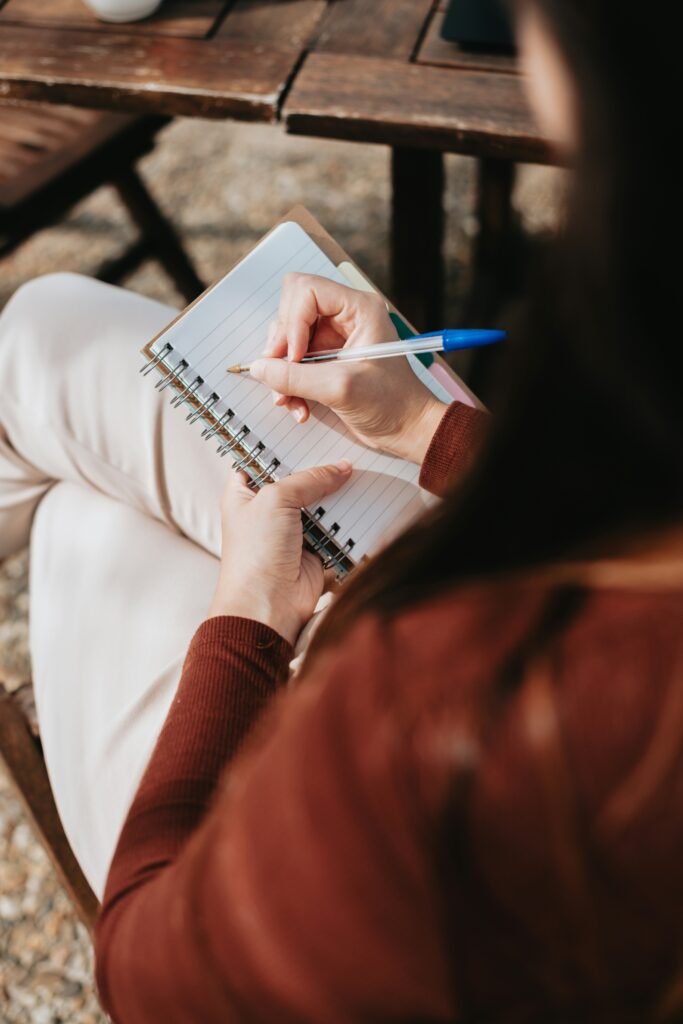
Remedy Four: The Symptom Log That Doctors Can Use
Instead of “I’ve felt weird for weeks,” show up with data:
Date and time
What it feels like (not what you think it is)
Intensity, 1–10
What you were doing before it started
Food, sleep, or medication in the last six hours
This turns a vague story into something a clinician can work with.
It doesn’t replace diagnosis.
It supports it.
If your system of self-care makes you avoid doctors, hide symptoms, or downplay risk, it’s no longer care.
It’s avoidance dressed up as independence.
Why This Isn’t Anti-System
Critiquing a system doesn’t mean rejecting it.
Most people want healthcare to work better, not disappear. DIY care grows in the places where systems are slow, overloaded, or uneven. It’s a response to friction, not a declaration of war.
People who track their symptoms, understand their conditions, and show up informed often get better care. They ask clearer questions. They notice when something changes.
That’s not anti-science.
That’s collaboration.
The Internet Is a Library, Not a Doctor
Online health information is powerful and dangerous for the same reason: it never ends.
Research papers, hospital guidelines, patient forums, influencer posts, and miracle cures all live side by side in the same search results.
Part of DIY care is learning how to sort through them without becoming cynical or credulous.
A simple rule helps: look for how someone knows something, not just what they claim. Pay attention to who benefits financially from the advice. Cross-check big claims instead of trusting a single voice.
You don’t need to become a researcher.
You just need to become a careful reader.
And sometimes, after all the reading, the most useful thing is still soup.
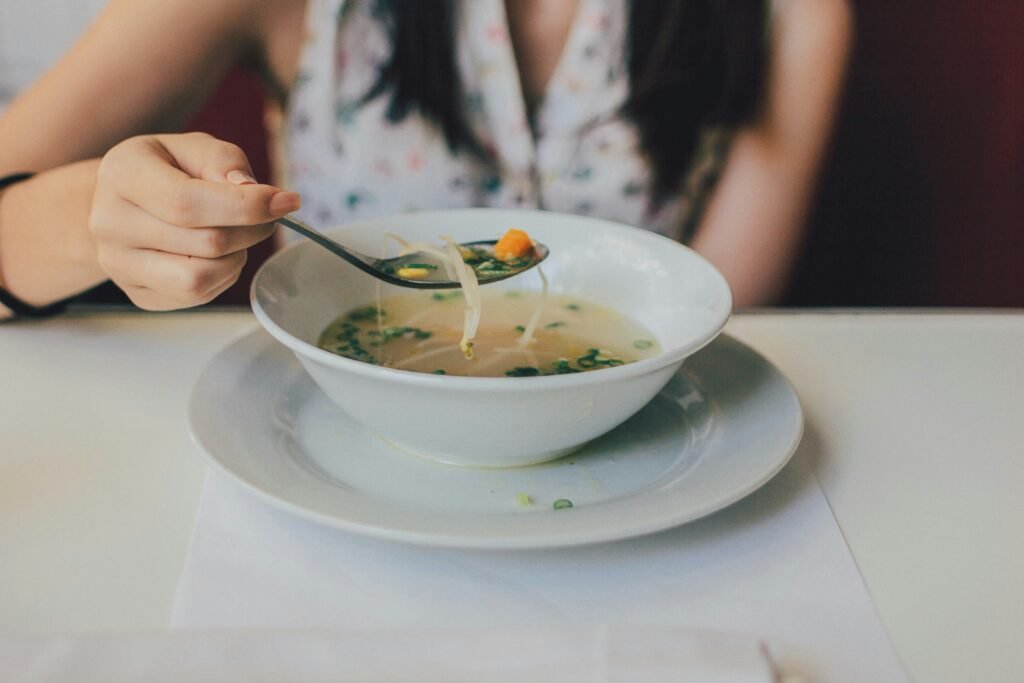
Remedy Five: The Basic Care Broth
For days when eating feels like work and your body needs something gentle:
Water or low-sodium stock
Carrot, onion, garlic
A handful of rice or noodles
Salt to taste
It’s warm, easy to digest, and easy to share.
It doesn’t claim to cure anything.
It supports the body while it does its own work.
A Living Kit, Not a Finished One
Your care system isn’t something you “complete.”
It changes as your body changes, as your life changes, as you learn new things. What you need at one stage may be irrelevant at another.
The goal isn’t control.
It’s relationship.
A relationship with your body, your community, and the systems you move through.
DIY care, at its best, is just paying attention — on purpose.
The Real Point
This isn’t about becoming your own doctor or turning your kitchen into a clinic.
It’s about refusing to be passive.
It’s knowing how to make a heat pack, mix a hydration solution, calm a nervous system, write down what your body is doing, and bring that information into a medical space that’s often rushed and crowded.
Science handles the big questions.
Everyday care gives you a way to live inside the answers, hour by hour, between appointments.
Both belong in the same kit.
All of this lives firmly in the zone of support, not substitution.

AXO (she/her) is a multidisciplinary creator, editor, and builder of feminist media ecosystems based in Toronto. She is the founder of She Zine Mag, Side Project Distro, BBLGM Club, and several other projects under the AXO&Co umbrella — each rooted in DIY culture, creative rebellion, and community care. Her work explores the intersection of craft, technology, and consciousness, with an emphasis on handmade ethics, neurodivergent creativity, and the politics of making. She is an advocate for accessible creativity and the power of small-scale cultural production to spark social change. Her practice merges punk, print, and digital media while refusing to separate the emotional from the practical. Above all, her work invites others to build creative lives that are thoughtful, defiant, and deeply handmade.