















Craft patterns are spells. Stitches become structure, loops become clothing, and suddenly you’ve conjured a balaclava that says RIOT in bobble stitch. But sometimes the pattern isn’t quite right. Wrong yarn. Different hook size. Maybe you want sleeves that puff like a glamorous pigeon. That’s where pattern adaptation comes in.
Adapting a pattern is not advanced wizardry. It’s just math, fibre, and a willingness to frog and rip back occasionally while whisper-swearing into your project bag.
Here’s how to do it.
Step One: Befriend Gauge Like It’s Your Crafty Soulmate
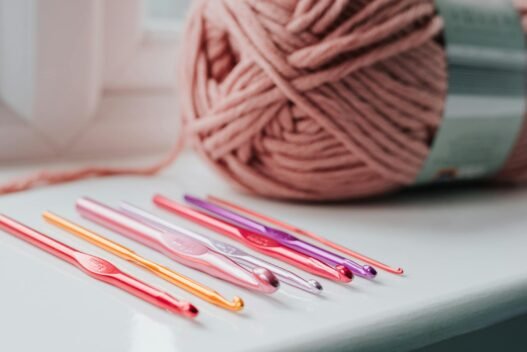
Gauge is how many stitches and rows you get per inch (or per 10 cm) using your yarn and tools. If you skip this step, your sweater may fit a medium-sized goat instead of your human body.
Make a swatch. Block it. Measure your stitches across 10 cm and adjust your hook/needle size until you meet the pattern gauge.
If you can’t match gauge exactly, write down your actual numbers. You’ll be using them.
Gauge is how you speak fluently with the pattern.
Step Two: Swap Yarn Without Chaos
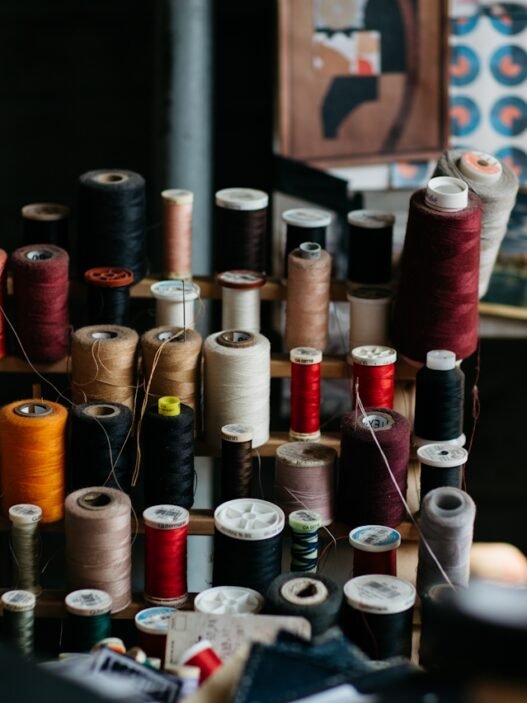
Choosing a different yarn weight or fibre changes everything: drape, structure, warmth, stretch, the whole personality of the project.
If the pattern calls for:
- Worsted/Medium (4) and you want Super Bulky (6)?
Expect a chunkier, larger result unless you adjust your stitch counts.
If switching yarn weight, use a Yarn Substitution Calculator guide, or follow this rule of thumb:
New Stitch Count = (Original Gauge / New Gauge) × Original Stitch Count
It’s not scary. It’s just a magical fraction that stops your hat from swallowing your entire head.
You can also use this calculator if you’d like to find a yarn of the same weight that your pattern calls for — just a different type or brand. Enter the pattern yarn’s name and fibre details, and the tool will generate an overview of the original yarn, then suggest suitable alternatives that will produce a similar result. It’s especially helpful when the pattern yarn has been discontinued or when you’re shopping your stash and want to confirm that your substitute will match in both yardage and gauge.
Step Three: Change the Fit (Crops, Lengths, + Big Sleeve Energy)
To crop a sweater:
Stop the body early and go straight to the ribbing. Measure on your own body or use a favourite garment as reference. I find that using garments vs body measurements works best because it’s easier to envision how you want the garment to fit.
To add length:
Keep working the pattern until it reaches your desired measurement—yes, this means more rows. Your future self will thank you.
To create puff sleeves:
Increase evenly across a row (knit) or round (crochet). The more you increase, the more dramatic your sleeve. Think gentle cloud… or Victorian ghost bride.
Step Four: Replace Details Without Losing Structure
Want to swap a ribbed cuff for seed stitch? Add colourwork where there was none? Replace a plain yoke with stripes that scream?
Completely valid choices.
Just maintain the stitch count and shaping so the garment still fits.
Step Five: Use Math, But Make It Soft and Beautiful
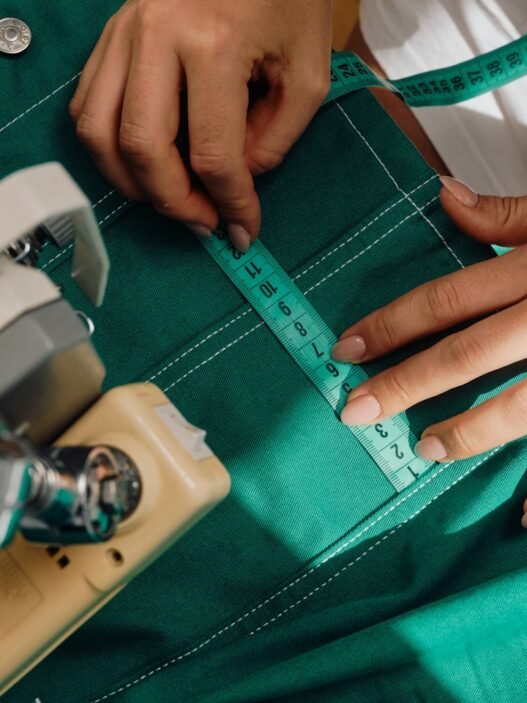
If adapting a wearable project, take these measurements at minimum:
- Bust or widest chest
- Arm circumference
- Shoulder width
- Desired length
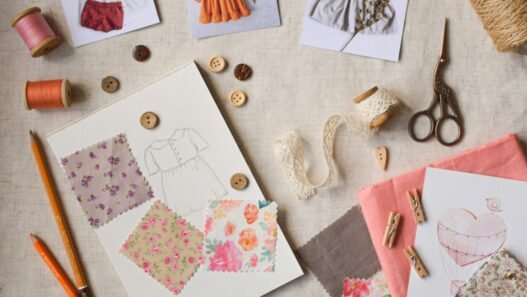
Patterns are just recipes. If you know your ingredients (yarn, gauge, stitches), you can rewrite them.
Step Six: Try On As You Go (Yes, Really)
Put that sweater over your head like a strange woollen necklace every chance you get. Adjust early. Rip when necessary. This is the fibre arts way. Don’t forget your stitch marker! Use something that fastens if possible so you can be extra sure you don’t ruin your work.
When NOT to Adapt a Pattern
Sometimes a pattern isn’t a good candidate for major renovations. Proceed with caution if:
- It uses complex yoke math you don’t understand yet
- It relies on stitch patterns that require specific multiples
- It has intense shaping (corsets, tailored jackets, etc.)
You can still adapt it eventually—just build your skill first.
A Few Sample Pattern Hacks
| Original Design | Adaptation Idea |
|---|---|
| Basic beanie | Add bobbles that spell out a message (ACAB, VOTE, CATS, etc.) |
| Top-down raglan | Add stripes scrap-yarn style for a climate victory sweater |
| Classic granny square blanket | Turn squares into a longline cardigan |
| Fingerless mitts | Extend into opera-length gloves because you deserve drama |
Final Thoughts: You’re the Boss of Your Yarn
Patterns are blueprints, not laws. You can defy them. Bend them. Turn them into heirloom weird art. This is craft as authorship, as agency, as everyday rebellion. Whether you’re making protest knitwear or just a jumper that finally fits your shoulders, adaptation is power.
Your yarn. Your body. Your rules.
Try adapting your next pattern instead of following it word for word. Experiment with fit, fibre, or texture and see where it takes you — then tag your creations with #SheZineMakes to show the rest of the crew how you hacked it.
You have questions? Drop them in the comments and we’ll try to answer them for you as best we can!

AXO (she/her) is a multidisciplinary creator, editor, and builder of feminist media ecosystems based in Toronto. She is the founder of She Zine Mag, Side Project Distro, BBLGM Club, and several other projects under the AXO&Co umbrella — each rooted in DIY culture, creative rebellion, and community care. Her work explores the intersection of craft, technology, and consciousness, with an emphasis on handmade ethics, neurodivergent creativity, and the politics of making. She is an advocate for accessible creativity and the power of small-scale cultural production to spark social change. Her practice merges punk, print, and digital media while refusing to separate the emotional from the practical. Above all, her work invites others to build creative lives that are thoughtful, defiant, and deeply handmade.