









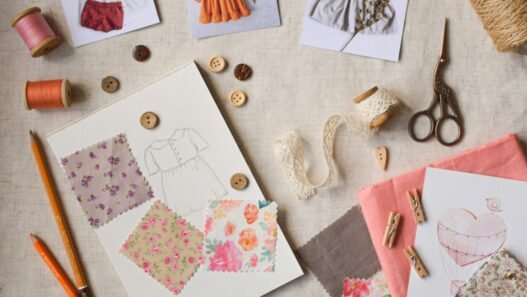


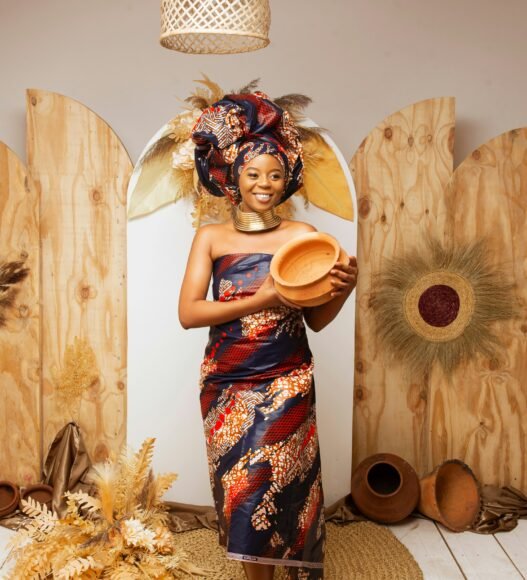
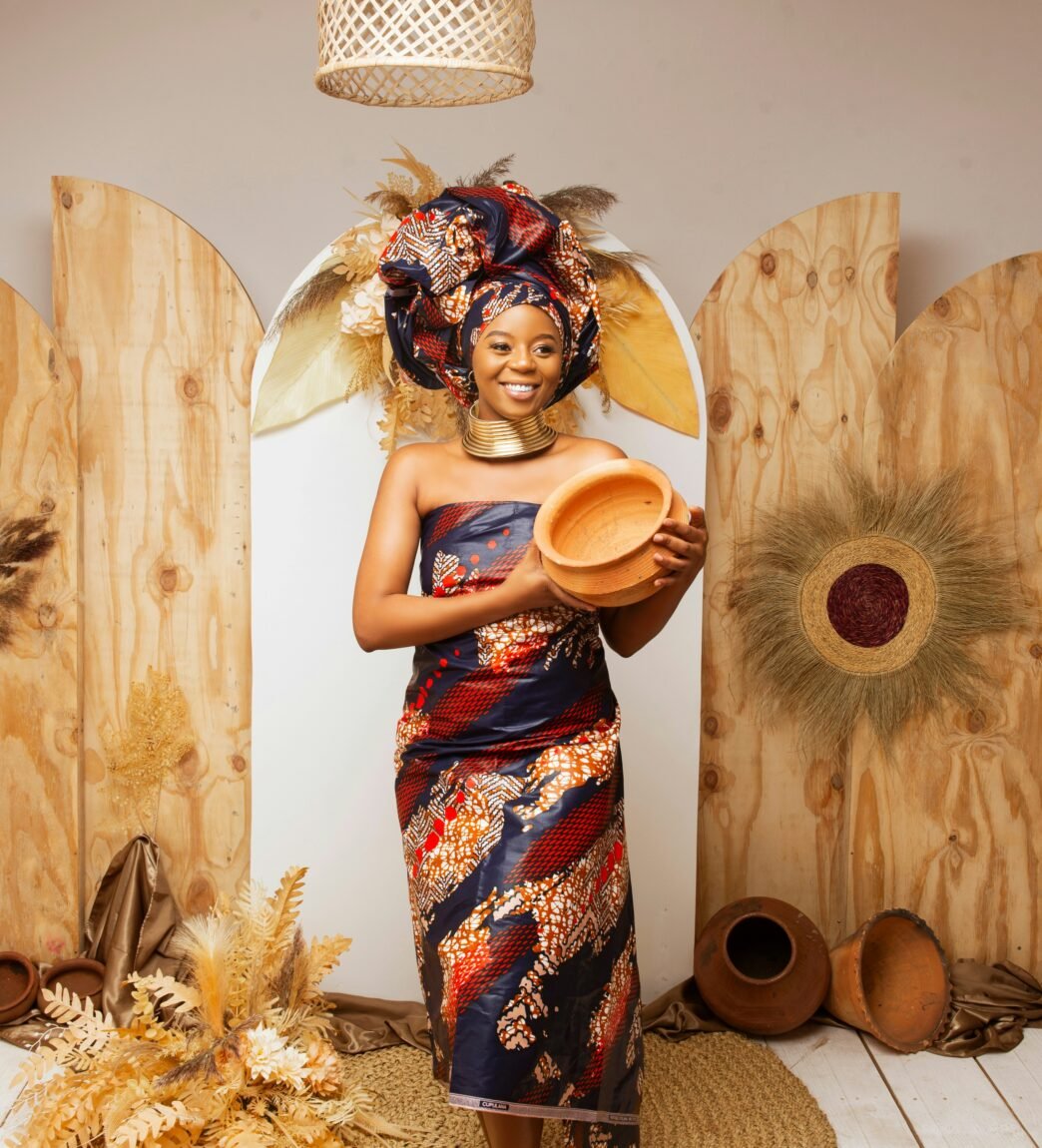
Maker culture often tells its story through objects, where the product becomes proof of the practice. But there’s another layer that deserves just as much attention: the spaces, networks, and moments that gather around the work.
Across craft, design, DIY, fashion, print, wellness, and small-batch production, Black women are shaping maker culture as something you step into, not just scroll past. Markets feel like meetups. Studios feel like living rooms. Feeds feel like classrooms and style boards at the same time.
This isn’t making as a side note to culture—it’s making as one of the ways culture takes shape in public.
“The product is only part of what’s being made.”
Making as Culture in Motion
One of the most striking things about Black women’s creative spaces is how much feeling they carry—style, story, and presence that travels through music, fashion, food, language, and social life.
You can see it in how aesthetics move between hair, textiles, streetwear, print, and digital design—and in how craft shows up in spaces that feel more like gatherings than transactions. Platforms like Black Owned Toronto trace that movement from studio to street, connecting local makers to worldwide audiences.
Toronto’s creative landscape also includes artists such as textile painter Gio Swaby, whose textile portraits bring everyday material into conversations about identity and care, and collectives like the Diasporic African Women’s Art Collective, a long-standing network of Black women artists that has shaped exhibitions and dialogue around Black artistic presence in Canada.
These practices aren’t isolated objects—they’re part of how people meet, think, wear, and experience creative life. Social platforms that highlight local Black creatives and groups like Black Creatives Toronto amplify work across disciplines, making craft and community feel inseparable.
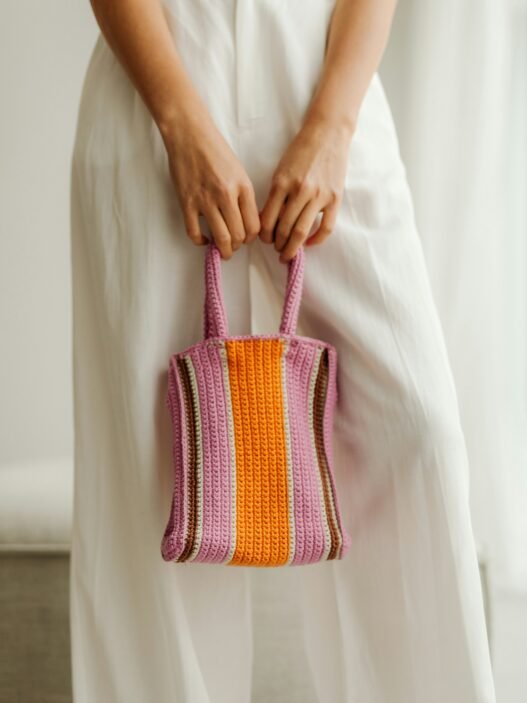
Traditional techniques get styled, shared, remixed, and worn out into the world. Crochet, quilting, printmaking, and design move through tutorials, outfit photos, pop-ups, and group chats—turning skills into something social instead of solitary.
You can see it in how makers document what they’re learning in real time, invite people into the trial-and-error, and treat the finished piece as the beginning of a conversation, not the end of one.
This is culture as something you participate in, not just consume.
“Making doesn’t just produce objects. It produces rooms.”
Spaces Where Work and Community Meet
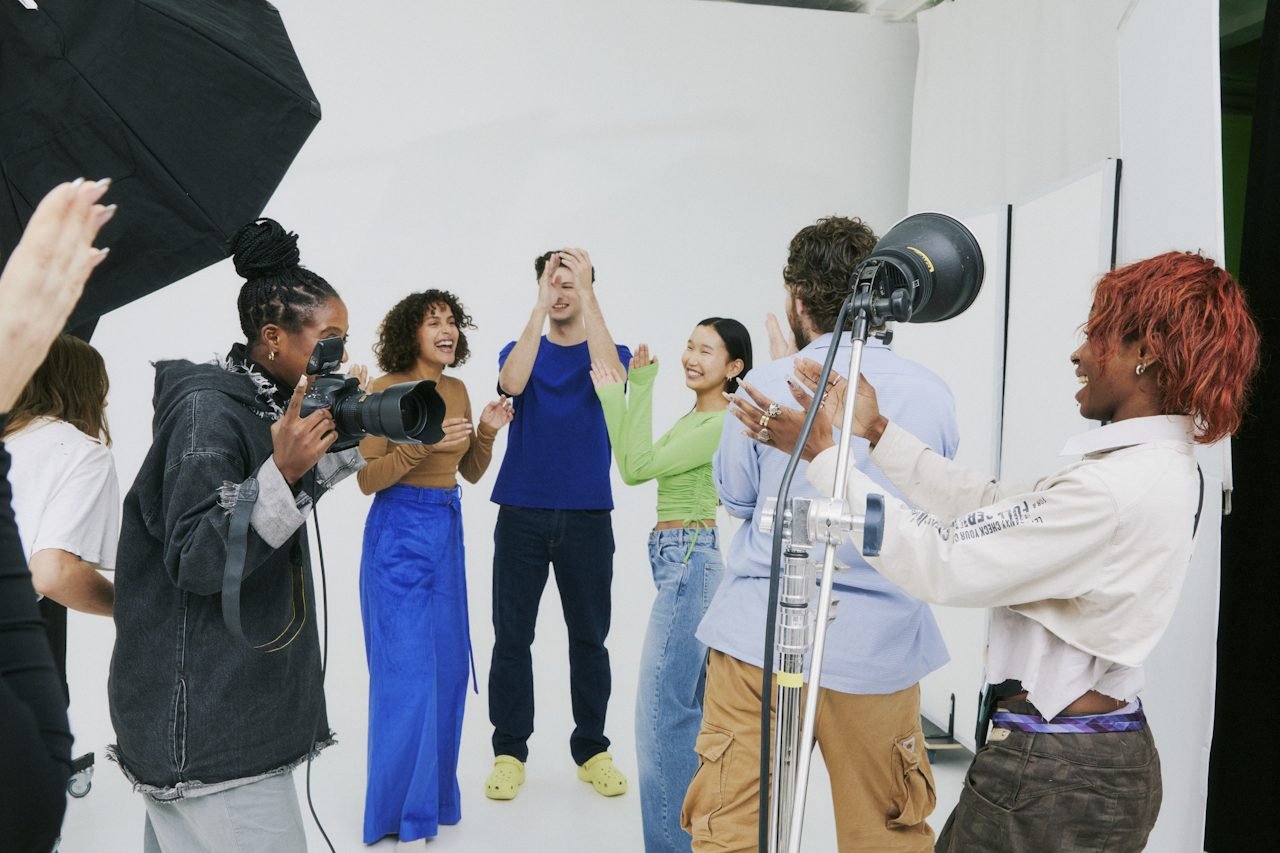
Some of the most visible moments in maker culture happen when people gather in the same physical space.
They become places to run into friends, discover new work, hear what’s playing, see what people are wearing, and feel what a creative scene looks like in motion.
What often gets overlooked is the scale and cultural force behind many Black women–led maker platforms. These aren’t just small shops or side projects—they’re full-fledged marketplaces, media channels, and cultural engines that move trends, audiences, and commerce at the same time.
Large-scale cultural markets like Black Market Flea show how this can work at real scale—bringing together designers, artists, vintage sellers, food vendors, and performers in spaces that feel closer to a festival than a market.
With a massive online following and large, recurring in-person events, it functions as both a retail ecosystem and a cultural platform—bringing together Black-owned brands, designers, vintage sellers, artists, food vendors, and performers in a space that feels intentional, high-energy, and widely visible.
The emphasis isn’t only on connection—it’s on reach. On putting Black-owned businesses in front of thousands of people, both on the ground and online. On creating a space where creative work isn’t tucked into a corner, but placed squarely at the centre of attention.
The emphasis isn’t just on what you buy. It’s on being there.
This is making as market design and cultural leadership:
A platform that sets tone, not just tables.
A market that drives traffic, not just footfall.
A space that builds audience as much as atmosphere.
These projects don’t sit outside “creative entrepreneurship.” They expand what it looks like at scale.
Their measure isn’t only in what sells—it’s in the visibility, momentum, and cultural presence they generate across an entire creative economy.
From Visibility to Pathways
Social platforms are full of Black women in craft, design, and DIY spaces. The talent is visible. The skill is obvious. The innovation is constant.
What turns that visibility into something lasting is pathways.
You can see it in the reach and cultural presence of platforms like Shoppe Black, which spotlights and circulates Black-owned brands across fashion, home, and handmade goods, and in certification and discovery networks like Buy From a Black Woman, which connects Black women–led businesses to shoppers, institutions, and funding pathways.
On the design and making side, Black women makers and studios regularly build large, engaged audiences around print, fashion, fibre, and product design—turning Instagram, TikTok, and newsletters into storefronts, classrooms, and cultural channels all at once. Markets and cultural platforms extend that visibility into physical space, pairing strong digital reach with high-energy, large-scale in-person events that centre Black-owned brands in front of thousands of people.
Makers share tools, recommend each other, repost each other’s work, show up at each other’s events, and trade information about materials, markets, and opportunities. The scene grows sideways—through friendships, collaborations, and group projects—just as much as it grows upward.
This isn’t just exposure. It’s circulation.
Rather than isolating makers in individual feeds or single moments of attention, these platforms work as bridges—linking small-batch studios to broader commercial, cultural, and media ecosystems.
The result is a kind of creative density. Styles travel quickly. Ideas bounce. New projects show up because someone made an introduction.
“The difference between being seen and being sustained is a pathway.”
When Tradition and Innovation Share the Same Table
Maker culture often draws a line between “heritage” and “modern.”
Black women’s work tends to blur it.
Techniques travel between generations. Quilting influences streetwear. Hair design shapes visual art. Printmaking moves into digital formats. Recipes turn into packaged goods. Zines become platforms. What stands out most isn’t any single product or brand. It’s the feel of the space that forms around the work.
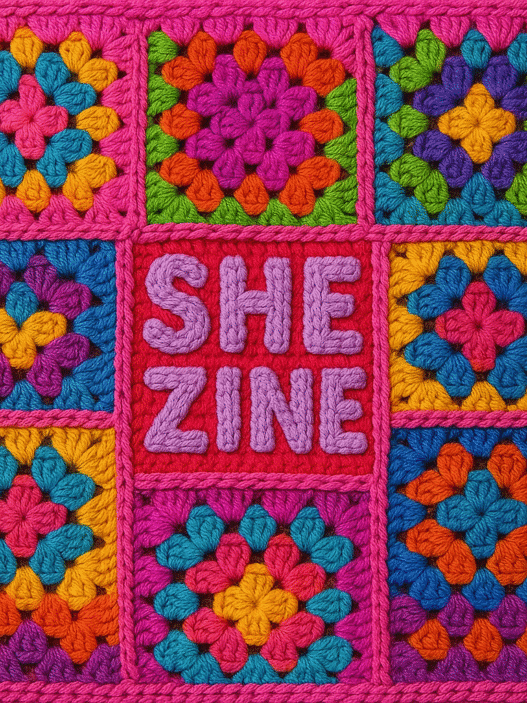
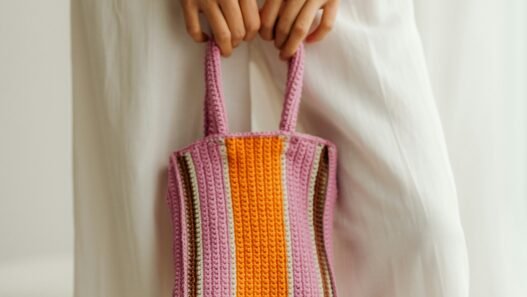
You can see this in the way that makers like @tlyarncrafts—with well over a 1M followers across platforms—bring traditional fibre techniques into contemporary culture—sharing pattern testing and stitch breakdowns in short-form video, experimenting with bold colour palettes, and styling finished crochet pieces as everyday fashion rather than “craft projects.” Crochet becomes both tutorial and trend, skill-sharing and street style.
This isn’t preservation for the sake of the past.
It’s continuity for the sake of the present.
Black women aren’t waiting to be added into maker culture. They’re already setting the tone—in how spaces sound, look, and move.
Creative Economies as Cultural Networks
Many Black women–led creative projects function less like standalone brands and more like networks.
You can see it in arts and culture collectives like Black Girl Art Show, which builds pop-up exhibitions, vendor markets, and digital showcases that link artists to shared audiences rather than isolating them in individual feeds. In the fashion and design world, Harlem’s Fashion Row operates as connective infrastructure—pairing Black designers with major retailers, fashion weeks, and mentorship pipelines instead of leaving brands to navigate wholesale and media alone.
On the community and business-building side, platforms like Brown Girls Collective and Black Girl Ventures create shared stages—pitch events, markets, workshops, and funding forums—where founders cross-promote, trade resources, and grow audiences together.
This kind of structure creates an ecosystem where creative work circulates horizontally—through peer networks, shared events, and collective platforms—not just upward toward institutions or gatekeepers.
The result is a form of cultural density: ideas, styles, and opportunities move quickly through community, building momentum that’s generated from within rather than granted from above.
“Culture moves fastest when it moves together.”
The Table Is Set
There’s a tendency in maker culture to talk about “creating space,” as if space only appears once permission is granted.
But some of the most vibrant creative spaces are already in full motion. You can see it in markets where scale, style, and community converge—where Black-owned brands, designers, artists, vintage sellers, food vendors, and performers share a platform that feels like a cultural stage.
This kind of space doesn’t wait to be made legible. It’s activated. Through studios, kitchens, workshops, and online platforms that treat making as a reason to gather, not just a reason to sell.
Black women aren’t waiting to be added into maker culture.
They’re shaping how it feels.
The table isn’t empty.
The music is already playing.
The work is already in motion.
The invitation is simply to notice—and to step into the room with respect.
Want more like this?
This piece is part of the long-form work we share through The Edit—our newsletter for readers who care about culture as something people build together, not just scroll past.
→ Join The Edit for essays, interviews, and behind-the-scenes notes from the She Zine desk.
→ Support on Patreon to access extended reading lists, research notes, and bonus features that live beyond the main feed.
Because thoughtful culture doesn’t happen alone. It happens in rooms people make.
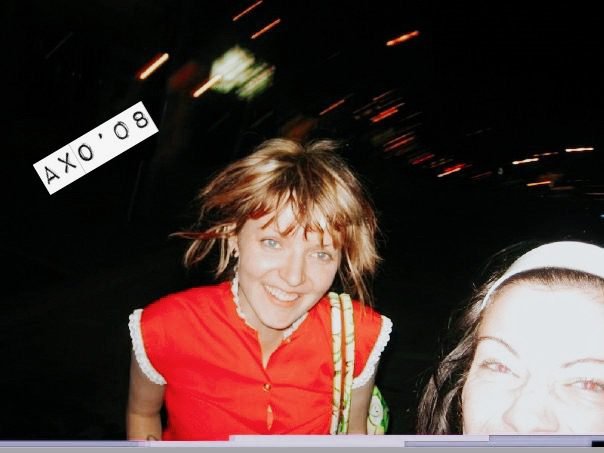
AXO (she/her) is a multidisciplinary creator, editor, and builder of feminist media ecosystems based in Toronto. She is the founder of She Zine Mag, Side Project Distro, BBLGM Club, and several other projects under the AXO&Co umbrella — each rooted in DIY culture, creative rebellion, and community care. Her work explores the intersection of craft, technology, and consciousness, with an emphasis on handmade ethics, neurodivergent creativity, and the politics of making. She is an advocate for accessible creativity and the power of small-scale cultural production to spark social change. Her practice merges punk, print, and digital media while refusing to separate the emotional from the practical. Above all, her work invites others to build creative lives that are thoughtful, defiant, and deeply handmade.