











Welp, you made it to 2026. Time to trash 2025, get your resolutions in order, and prepare yourself for a brand new year. “New year, new you,” right?
Let me take some of the pressure off and tell you that all of that is bullshit. A blank slate might sound totally ideal, but it’s not real. We carry our mistakes with us. That’s why it’s so much better to learn from them than to wear them around your neck.
2025 wasn’t a raging success for me. There was hardship, loss, and mental health stuff that’s been difficult to move through. Some of it has already leaked into 2026. But that’s okay. I’m choosing to think of those things as lessons still being taught—obstacles that will, hopefully, help me navigate what comes next with a little more care.
You’re not a “new you” in 2026. If you’re lucky, you might just be more evolved. More likely, you’re still dealing with some of the same stuff that existed on December 31st—and that’s okay too.
January isn’t a test. It’s a tuning moment.
It’s reasonable to feel the shift between 2025 and 2026 as meaningful. We’re trained to treat the new year like a turning point, and that’s a hard instinct to shake. But instead of expecting a complete cosmic reset, I’d encourage something smaller and more honest: reevaluation.
Write down the things you’re genuinely struggling with. Write down the things you’re grateful for, too. Where could you adjust your approach? How might you handle the hard parts with a bit more compassion—or get more joy out of what’s already working?
January doesn’t ask us to reinvent ourselves. It asks us to listen. It’s like a signal—a call you’d do well to answer.
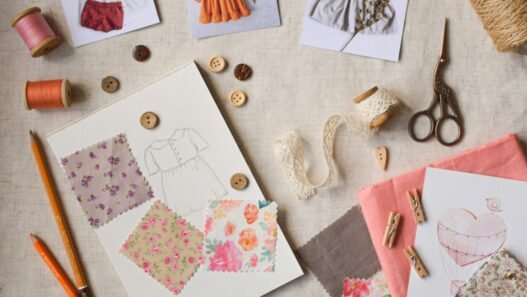
If you’ve been reading along, you just spent December with us in our Studio Season theme. You chose cosiness over hibernation—a creative shift to handle the end-of-year intensity. You might be carrying unfinished drafts, tired hands, or good ideas still half-formed. These belong on your list too. These are the things you carry forward with you into the new year.
As we’ve discovered together, there’s no shame in unfinished projects. No productivity scorecard. This is about continuity, not correction.
When you’re tuning your strategies and setting your tone for January, remember: tone is how we work. It’s a gentle, thoughtful pace. Healthy boundaries. Careful attention to your mental health, just as much as the work itself. It’s about how we work, not how much.
Tone is an ethical choice. It’s how we treat ourselves. It’s how we show up for each other. Framed that way, the year doesn’t feel like something to conquer—it feels like something you can actually live inside.
So what’s one small truth about how you enter January? Be honest and imperfect. Acknowledge uncertainty without dramatizing it. For me, that truth is this: 2025 was full of distractions. I lost focus more than I’d like to admit. I could have done better. I’m not interested in punishing myself for that—just in paying closer attention as I move into 2026.
I hope you’ll return to She Zine again and again this year so we can support each other and reset our tone together. We want this little corner of the internet to be a soft place to land. We’re working every day—distracted or not—to build a community rooted in curiosity, skill, and intention. This has always been, and will always be, a shared space. Collaborative and comfortable.
As you move into the year, set your tone gently. Choose what you give your energy to. Move slowly where you need to. Trust yourself to know the difference between pressure and possibility. There’s no rush here—just room to keep going, one thoughtful step at a time.
You don’t have to decide everything this month.
You just have to decide how you want it to feel.
– AXO
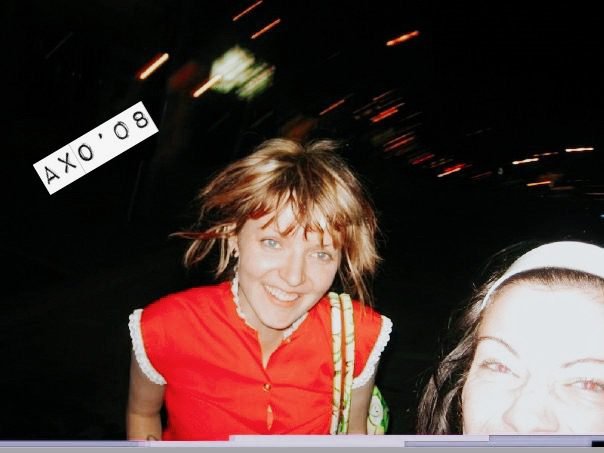
AXO (she/her) is a multidisciplinary creator, editor, and builder of feminist media ecosystems based in Toronto. She is the founder of She Zine Mag, Side Project Distro, BBLGM Club, and several other projects under the AXO&Co umbrella — each rooted in DIY culture, creative rebellion, and community care. Her work explores the intersection of craft, technology, and consciousness, with an emphasis on handmade ethics, neurodivergent creativity, and the politics of making. She is an advocate for accessible creativity and the power of small-scale cultural production to spark social change. Her practice merges punk, print, and digital media while refusing to separate the emotional from the practical. Above all, her work invites others to build creative lives that are thoughtful, defiant, and deeply handmade.