











I had an interesting conversation with a reader recently about how cultural movements eventually get ruined by being taken too seriously.
Not destroyed or erased. Just smoothed over.
The rough edges disappear and the weird people quietly walk out the door. Meetings that once happened in somebody’s apartment move into somewhere more formal and all of a sudden the language becomes more professional. The goals become easier to explain to outsiders, which isn’t inherently bad, but before long, the thing might still exist, but the pulse that made it exciting becomes harder to find.
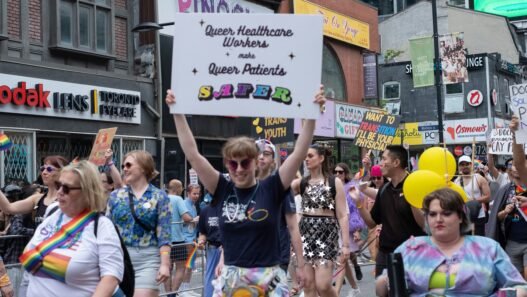
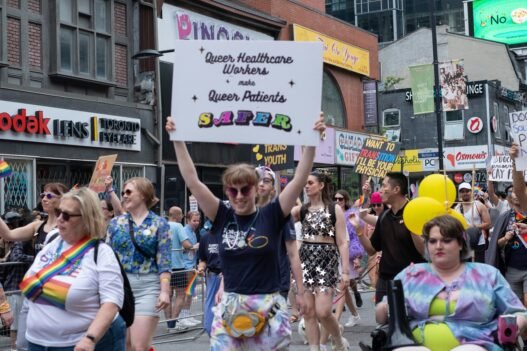
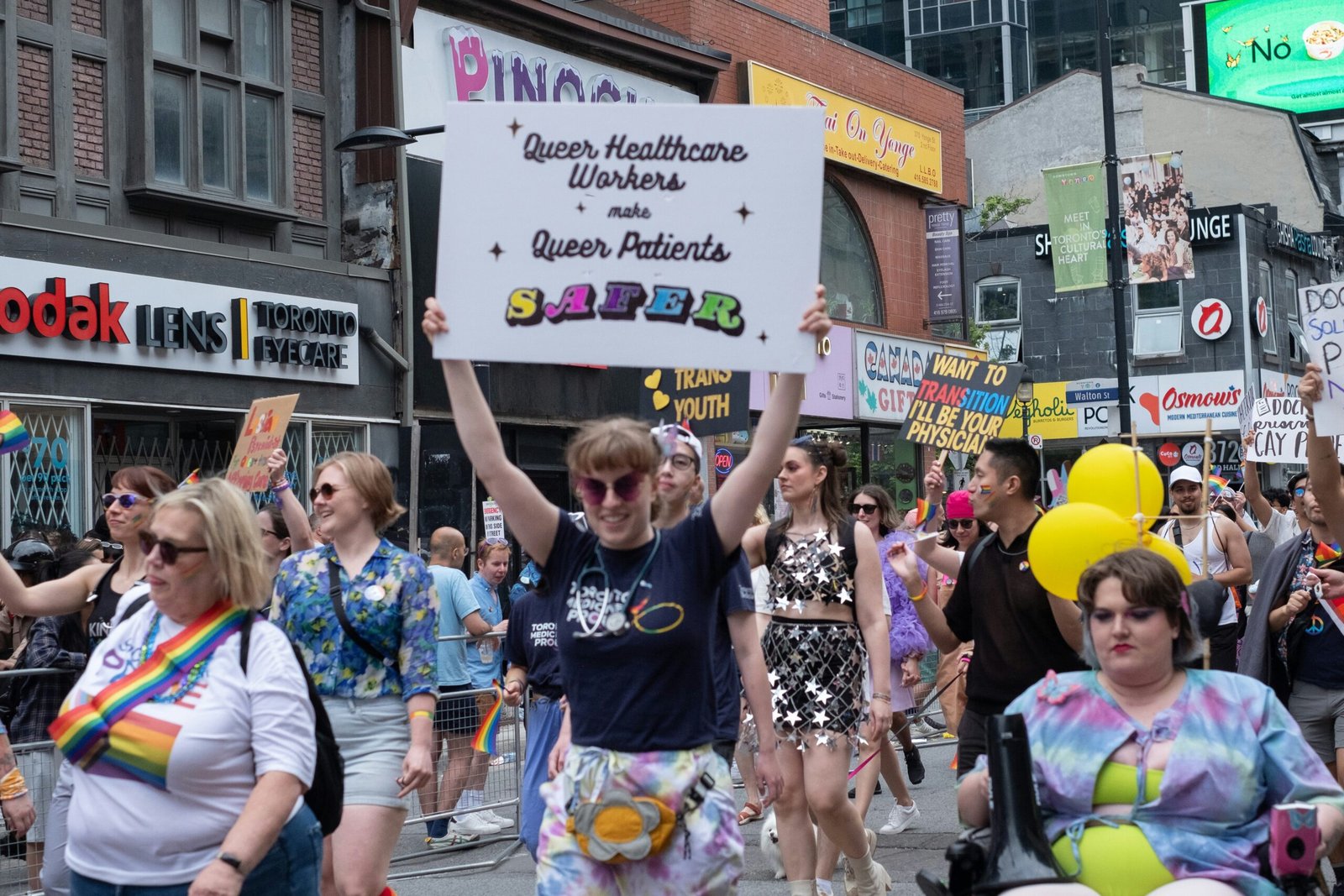
Pride has survived this process better than most. Mostly because queer people remain too weird to fully corporate, and I mean that in the absolute best, most positive way.
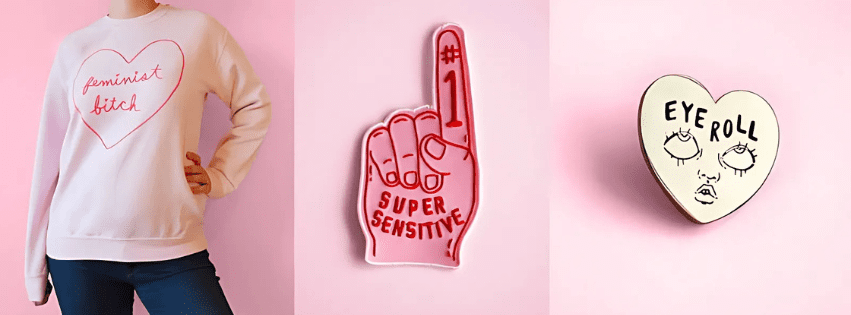
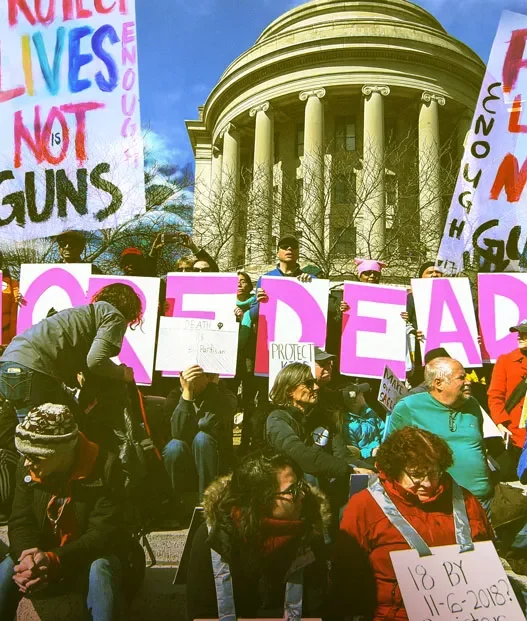
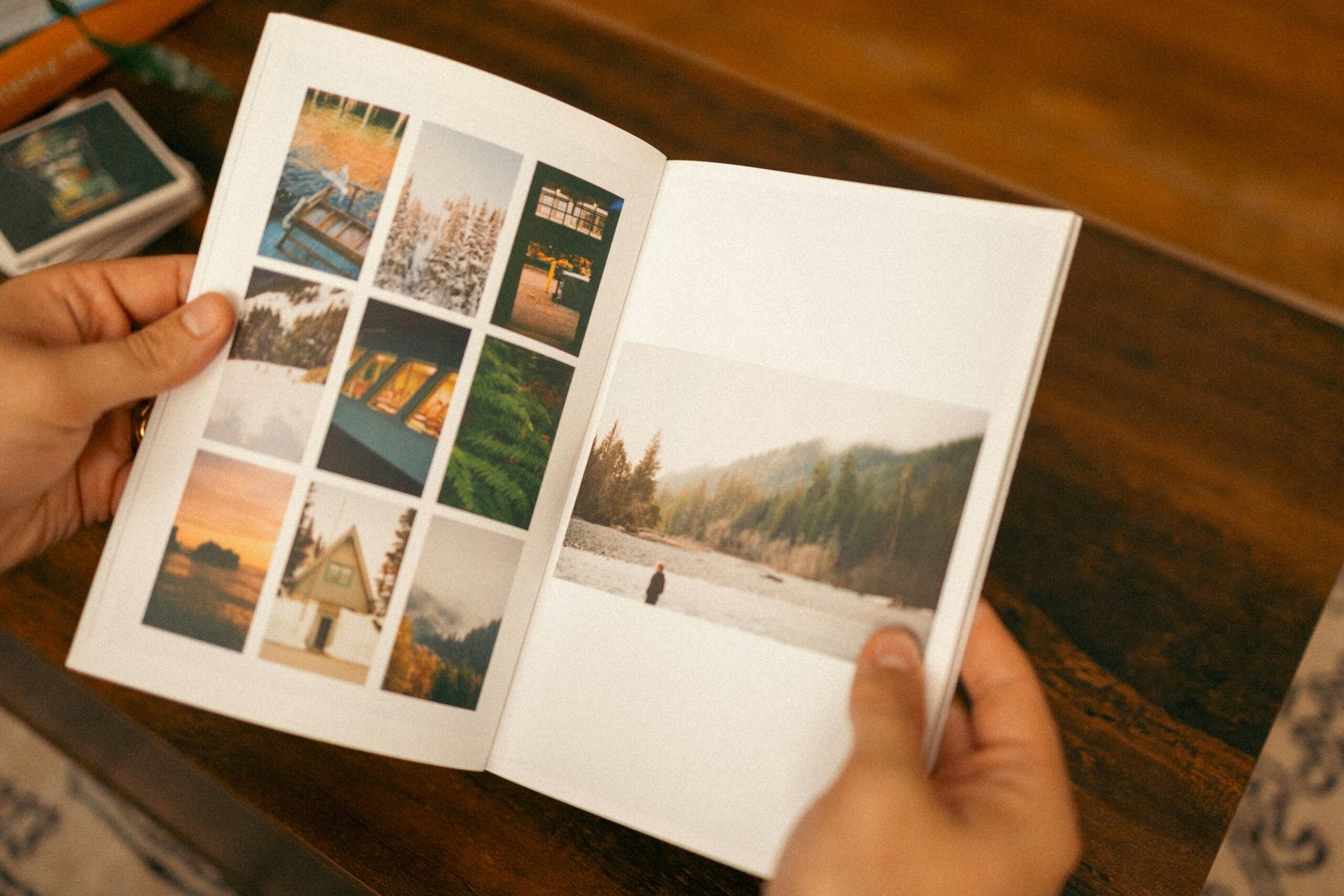
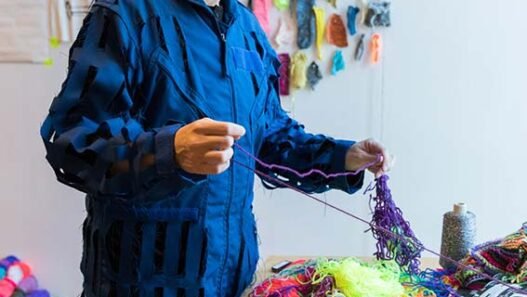
No matter how many banks sponsor a parade, somebody is still hand-screening protest posters in a garage. No matter how many politicians show up for photo opportunities, somebody is still organizing a benefit show for a friend who needs help. And no matter how many rainbow products appear on store shelves, somebody is still sewing banners, designing zines, screen-printing patches, or setting up folding tables at a local market.
The heart of Pride has always lived there.
Not in the official version.
But in the handmade version.
That’s why Pride has always felt connected to punk, independent publishing, artist-run spaces, and every other creative subculture that has managed to leave a mark on the world. They tend to attract the same kind of person: someone who gets tired of waiting, gets bored with the available options, and decides to make something instead.
You can see that spirit throughout queer history. Before social media, crowdfunding, and people building communities online, people were already creating networks for themselves.
Publications like J.D.s and Homocore emerged because queer punks couldn’t see themselves reflected in either mainstream queer culture or mainstream punk culture. Rather than waiting for permission, creators like G.B. Jones and Bruce LaBruce simply built something new.
The same thing happened within feminist media. Publications like BUST Magazine, and the now defunct Venus Zine and Bitch Magazines weren’t created because somebody identified a market opportunity. They existed because people wanted conversations that weren’t happening elsewhere.
History tends to celebrate visionaries, but most cultural movements aren’t built by visionaries. They’re built by people solving immediate problems.
They wanted a magazine that didn’t exist, so they published one.
They wanted a venue that would welcome them, so they found a room and booked a show.
They wanted a place to meet people like themselves, so they started a group, organized an event, or printed a newsletter.
People often imagine cultural movements as grand, coordinated efforts. In reality, they’re usually held together by photocopiers, borrowed extension cords, volunteer labour, and a level of optimism that borders on irrational.
Which is exactly why they’re beautiful.
The volunteers at The ArQuives preserving material that might otherwise be lost.
The staff and community around Glad Day continuing to create space for queer writers, readers, and artists.
The artists exhibiting through FAG and other artist-run initiatives that exist largely because people are willing to put in the hours.
The programmers at Buddies in Bad Times Theatre finding ways to keep experimental work on stage.
None of these projects are easy. Most operate under constant financial pressure. Some spend as much time applying for grants and raising funds as they do creating the work itself.
Yet, this is where culture actually happens.
Not after something has been approved, packaged, and declared important. At the beginning, when nobody knows whether it will work.
You can still find traces of that attitude everywhere, like the Toronto Comic Arts Festival, community print shops, queer book clubs, craft circles, and in the work of makers who continue producing handmade objects for audiences that may be small but deeply invested.
The same spirit runs through the work of people like Debbie Stoller (who I profiled here), whose Stitch ‘n Bitch movement helped transform knitting from a solitary hobby into a social and creative community. You can see it in the work of craftivists like Betsy Greer (who I interviewed here) and organizations such as Craftivist Collective.
None of these projects began because somebody was trying to optimize their life. They began because somebody cared enough to make something and invite others to participate.
Older punk scenes understood this. Queer communities understood it too.
You didn’t need a business plan to start a project. You needed an idea, a few friends, a little stubbornness, and a willingness to look ridiculous.
Looking ridiculous, incidentally, is one of the most underrated creative skills a person can develop. People spend a lot of time talking about talent. Far less time is spent talking about embarrassment.
Most people don’t abandon projects because they lack ability. They abandon them because they don’t want to risk looking foolish. They don’t want the awkward first attempt, the low turnout, the rough draft, the small audience, or the possibility that something might not work.
Yet, nearly every cultural movement worth remembering was built by people who were willing to tolerate exactly those things and learn how to become comfortable with the idea failure.
The people who start magazines, organize festivals, launch community projects, publish zines, and create new scenes are not always the most talented people in the room. More often than not, they’re the people willing to try before they feel qualified.
There’s something deeply admirable about that.
Pride has always been full of people who refused to wait for perfect conditions. Riot grrrl organizers like Kathleen Hanna, Tobi Vail, and Allison Wolfe didn’t wait for somebody to hand them a platform. Cartoonists like Alison Bechdel built audiences long before queer stories were considered commercially viable.
The same spirit runs through all of it.
A belief that culture isn’t owned by institutions, experts, or gatekeepers.
It belongs to the people who show up and contribute.
The person making posters.
The person booking bands.
The person organizing meetings.
The person starting something uncertain and perhaps a little ridiculous.
Especially that person.
Because every scene begins with somebody deciding that what exists isn’t enough.
And every movement worth remembering begins as a beautiful mess.
Maybe that’s what Pride still means to me.
Not a parade, although I enjoy those.
Not a logo change, although those don’t bother me nearly as much as they seem to bother other people.
And not even resistance, though that remains part of the story.
What Pride represents, at its best, is possibility.
The belief that people can still build things together.
The belief that communities can still emerge around shared values rather than algorithms.
The belief that creativity can remain messy, human, political, joyful, imperfect, and alive.
In a world increasingly obsessed with efficiency, that still feels pretty radical.
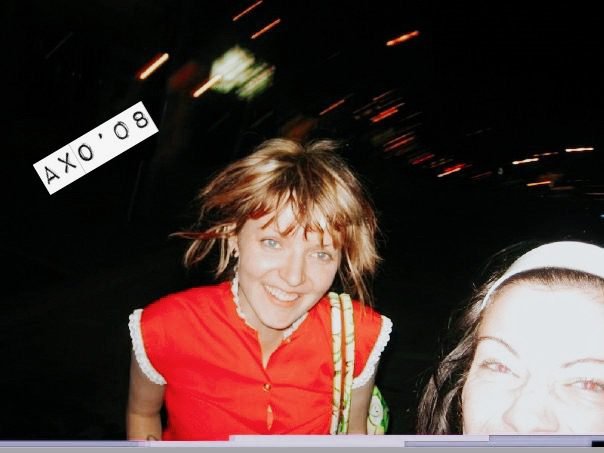
AXO (she/her) is a multidisciplinary creator and editor based in Toronto. She is the founder of She Zine Mag, Side Project Distro, BBLGM Club, and several other projects under the AXO&Co umbrella — each rooted in DIY culture, creative rebellion, and community care. Her work explores the intersection of craft, technology, and consciousness, with an emphasis on handmade ethics, neurodivergent creativity, and the politics of making. She is an advocate for accessible creativity and the power of small-scale cultural production to spark social change. Her practice merges punk, print, and digital media while refusing to separate the emotional from the practical. Above all, her work invites others to build creative lives that are thoughtful, defiant, and deeply handmade.