













June has rolled around again, which means Pride Month is finally here again!!
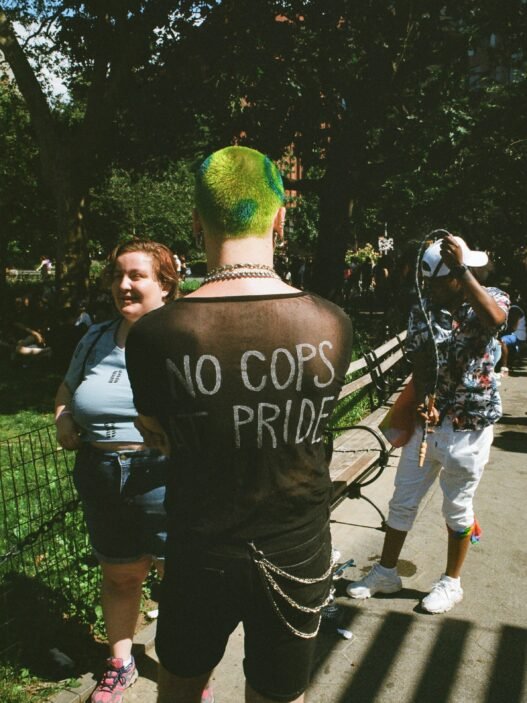
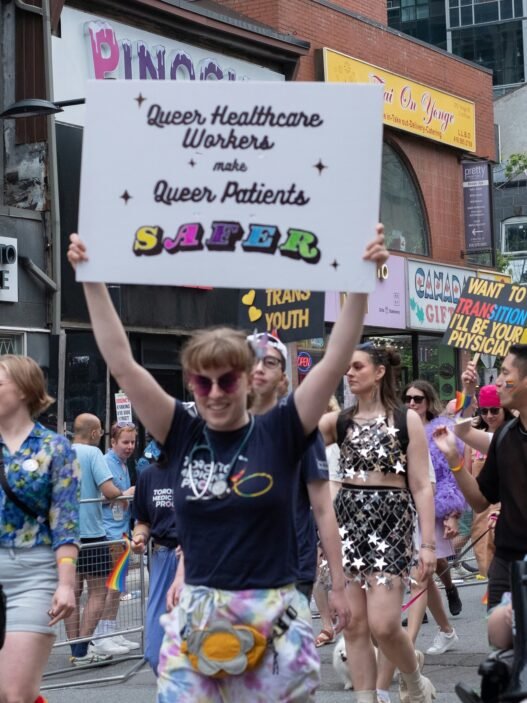
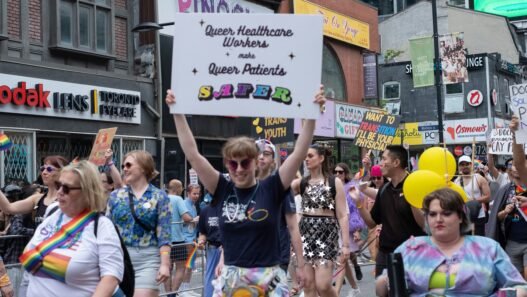
For some, Pride Month means one of the largest Pride parades in the world, smaller festivals around the country, and so many parties.
For others, it’s a chance to reflect on the progress that’s been made and the work that still needs to be done.
Whether you’re attending every event on the calendar or simply cheering from the sidelines as an ally, Pride offers an opportunity to think about what support actually looks like in our everyday lives, all year round.
And one of the most meaningful ways to support the 2SLGBTQIA+ community is to support the people who are building it.
Pride Month brings increased visibility to queer and trans entrepreneurs, the reality is that 2SLGBTQIA+ business owners are doing important work, all year-round.
Successful businesses, new organizations, and safe creative spaces are launched, strengthening communities across the country.
Bookstores, design studios, clothing brands, cafés, media companies, markets, and creative enterprises that help make our communities more vibrant, inclusive, and interesting.
Supporting these businesses isn’t just about where we spend our money. It’s about helping create a country where diverse voices can thrive.
Here are a few Canadian 2SLGBTQIA+-owned businesses and organizations worth knowing about.
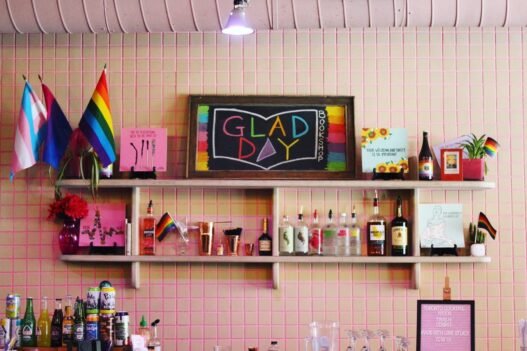
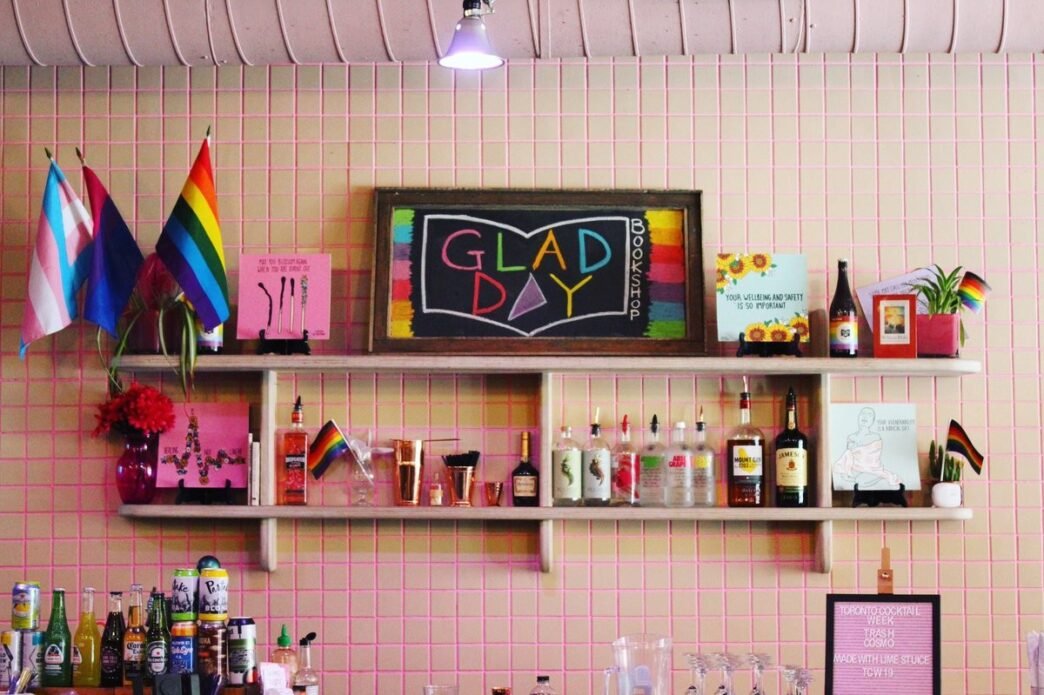
Glad Day Bookshop (Toronto)
Few businesses have had a bigger impact on 2SLGBTQIA+ culture in Canada than Glad Day Bookshop.
Founded in 1970, Glad Day is recognized as one of the oldest 2SLGBTQIA+ bookstores in the world. Over the decades, it has survived censorship battles, changing technologies, economic downturns, and the rise of online retail. Today, it serves as far more than a bookstore.
Located in Toronto’s Church-Wellesley Village, Glad Day functions as a community hub, event venue, café, and gathering space. Author talks, drag performances, workshops, readings, and community discussions regularly take place within its walls.
What makes Glad Day special isn’t simply its longevity. Bookstores remain one of the few places where people can stumble across new ideas, perspectives, and stories they weren’t actively searching for. For many people, particularly young 2SLGBTQIA+ Canadians, Glad Day remains an important place to discover books, community, and a sense of belonging.
Flamingo Market (Toronto)
Flamingo Market has become one of Canada’s most recognizable queer-focused maker markets.
Rather than being a single business, Flamingo Market provides a platform for hundreds of 2SLGBTQIA+ artisans, illustrators, designers, and small business owners. Events bring together vendors selling everything from handmade jewellery and artwork to candles, apparel, ceramics, and stationery.
The market demonstrates something important about queer entrepreneurship: community often grows through collaboration rather than competition. By creating opportunities for independent makers to connect with customers, Flamingo Market helps strengthen an entire ecosystem of 2SLGBTQIA+ small businesses.
For many visitors, the market is also an introduction to dozens of businesses they might never have discovered otherwise. That kind of visibility can make a tremendous difference for emerging creators.
Come As You Are Co-operative (Toronto)
Another uniquely Canadian success story is Come As You Are.
Known for its educational approach to sexuality and sexual wellness, Come As You Are has built a reputation based on inclusivity, consent education, and accessibility. The company operates as a worker co-operative, creating a business model that reflects many of the values it promotes.
Its focus on education rather than sensationalism has made it a trusted resource for people of all genders, identities, and orientations. In an industry often driven by stereotypes and misinformation, Come As You Are has shown that businesses can be both commercially successful and deeply community-minded.
The 519’s Entrepreneurial Community (Toronto)
While not a business itself, The 519 deserves recognition for supporting countless 2SLGBTQIA+ entrepreneurs.
The Toronto-based community centre provides programs, networking opportunities, and resources that help queer and trans people build careers and businesses. Many local entrepreneurs credit organizations like The 519 for creating connections that helped launch projects, partnerships, and professional opportunities.
Behind many successful small businesses is often an ecosystem of community support that makes entrepreneurship possible. The 519 has helped provide that foundation for countless members of Toronto’s 2SLGBTQIA+ community.
Little Sister’s Book & Art Emporium (Vancouver)
Founded in Vancouver in 1983, the bookstore became well known for its legal battles against customs censorship in the 1980s and 1990s. Those fights helped shape conversations about free expression and 2SLGBTQIA+ rights across all of Canada.
Today, Little Sister’s continues to provide books, art, community resources, and gathering space for Vancouver’s queer community.
Like many independent bookstores, it proves that small cultural institutions can have an influence that extends far beyond their square footage.
Priape (Montréal)
Montréal-based Priape has become one of Canada’s best-known 2SLGBTQIA+-focused retailers. Serving customers for decades, the business has grown from a local specialty shop into a recognized brand with a strong presence in Québec and beyond.
Its longevity demonstrates something often overlooked in conversations about 2SLGBTQIA+ entrepreneurship: queer-owned businesses are not simply community projects. Many have become enduring Canadian success stories in their own right.
Montréal’s queer and trans communities have long been one of the most vibrant in North America, and businesses like Priape have helped contribute to that cultural landscape.
OUTSaskatoon (Saskatoon)
In the Prairies, organizations like OUTSaskatoon help support 2SLGBTQIA+ entrepreneurs, creators, and professionals while building stronger community networks in the process.
Although primarily a community organization, OUTSaskatoon provides programming, connections, and resources that help create conditions where queer and trans people can thrive both personally and professionally.
The organization is a reminder that entrepreneurship doesn’t happen in isolation. Strong communities often help create strong businesses.
Venus Envy (Halifax)
Halifax’s Venus Envy has become one of Atlantic Canada’s most beloved feminist and sex-positive businesses.
Combining a bookstore, educational resource centre, and retail shop, Venus Envy has spent years creating an environment centred on education, inclusivity, and community engagement.
Businesses like Venus Envy demonstrate how values-driven entrepreneurship can contribute to local culture while also operating as successful enterprises. They become gathering places, conversation starters, and important community resources all at once.
Queer Media and Publishing
Canada has a long tradition of 2SLGBTQIA+ media makers who have built businesses around storytelling, journalism, publishing, and creative production.
Organizations such as Pink Triangle Press have helped create space for queer voices in Canadian media for decades. Independent publishers, magazines, podcasts, newsletters, and creative studios continue that work today by telling stories that might otherwise go unheard.
Some podcasts you might be interested in checking out include:
CANADALAND (especially queer-related episodes and reporting)
Media businesses play an important role because representation isn’t just cultural—it can also be economic. When 2SLGBTQIA+ creators own the platforms, they have greater control over how stories are told and who gets heard.
Local Makers, Artists, and Market Vendors
There’s many 2SLGBTQIA+ businesses that don’t have national profiles, but they make an enormous impact in their local economies.
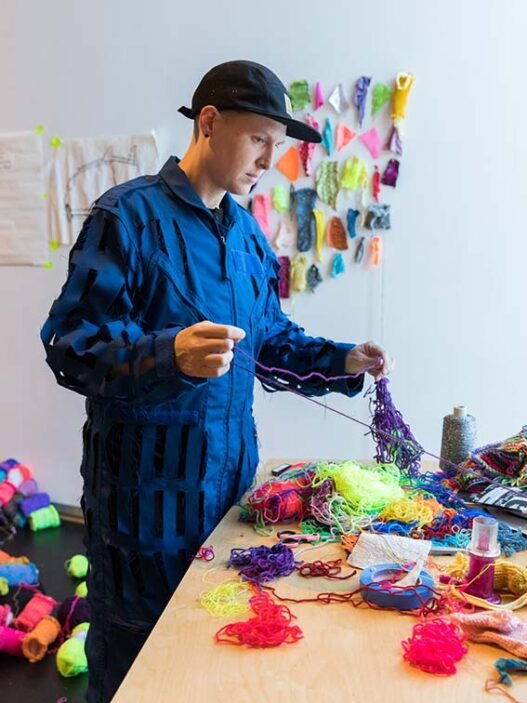
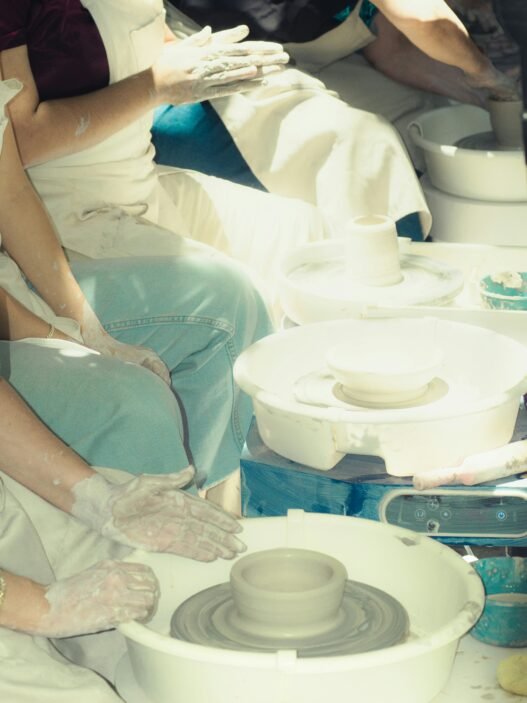
Across the country, you’ll find queer-owned pottery studios in Halifax, independent bookstores in Vancouver, clothing designers in Montréal, tattoo artists in Winnipeg, illustrators in Calgary, and makers selling handmade goods at markets from coast to coast to coast.
These businesses often become gathering places and help build the creative communities around them.
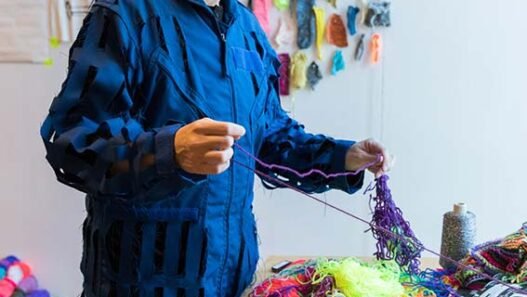
Supporting local 2SLGBTQIA+ businesses can be as simple as buying a greeting card from a queer illustrator, grabbing coffee from a queer-owned café, hiring a 2SLGBTQIA+ photographer, commissioning artwork, attending a craft market, or choosing a local maker instead of Amazon when shopping for gifts.
Why It Matters
Supporting trans and queer-owned businesses is absolutely not about charity. It’s about recognizing true talent, creativity, and innovation.
Running a small business is already a formidable challenge and 2SLGBTQIA+ entrepreneurs face additional barriers related to discrimination, access to funding, networking opportunities, and representation within their industries.
This means that every purchase, recommendation, social media share, or positive review helps strengthen businesses that contribute to Canada’s cultural and economic landscape.
More importantly, these businesses often create opportunities for others. They hire staff, mentor creators, sponsor events, host workshops, support artists, and provide spaces where communities can gather and connect.
The good news is that there has never been a better time to discover queer-owned businesses. 2SLGBTQIA+ Canadians are building remarkable businesses in every province and territory.
Pride Month may be a great time to start exploring these businesses, but meaningful support doesn’t end when the rainbow flags come down.
The strongest communities are built through year-round relationships, and one of the easiest ways to show support is simply to shop local, buy thoughtfully, and celebrate the people creating the kinds of businesses that make Canada a diverse, creative, and welcoming place for everyone.

AXO (she/her) is a multidisciplinary creator and editor based in Toronto. She is the founder of She Zine Mag, Side Project Distro, BBLGM Club, and several other projects under the AXO&Co umbrella — each rooted in DIY culture, creative rebellion, and community care. Her work explores the intersection of craft, technology, and consciousness, with an emphasis on handmade ethics, neurodivergent creativity, and the politics of making. She is an advocate for accessible creativity and the power of small-scale cultural production to spark social change. Her practice merges punk, print, and digital media while refusing to separate the emotional from the practical. Above all, her work invites others to build creative lives that are thoughtful, defiant, and deeply handmade.